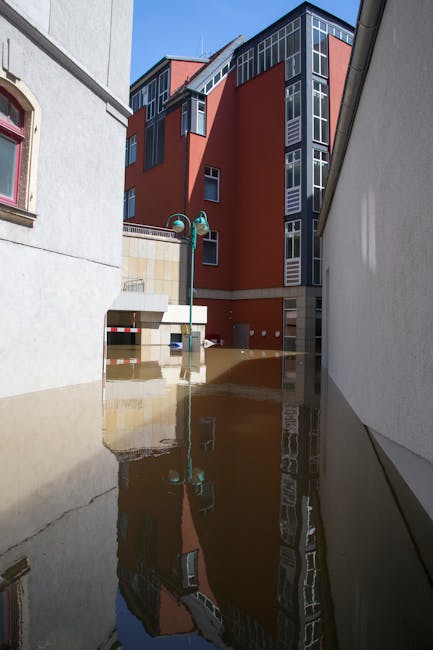
Emergency flood carpet cleaning near Essex Road Islington
If water has come through a pipe, spill, leak, or rising floodwater and soaked your carpets, speed matters. Emergency flood carpet cleaning near Essex Road Islington is about more than making a carpet look decent again. It is about stopping deeper damage, reducing damp smells, protecting underlay, and lowering the chance of mould creeping in later. That first hour can feel chaotic - buckets out, towels everywhere, the room oddly quiet except for the drip-drip of water somewhere you cannot quite reach. This guide walks you through what to do, how the process works, what to expect from a proper emergency response, and how to avoid the mistakes that make a bad situation worse.
For readers who want broader context on local services and how a professional cleaning company approaches urgent jobs, you may also find the services overview and the company's insurance and safety information useful. If you are comparing costs after an emergency, the article on the real cost of carpet cleaning in Islington compared to DIY is worth a read too.
Table of Contents
- Why emergency flood carpet cleaning matters
- How the emergency cleaning process works
- Key benefits and practical advantages
- Who this is for and when it makes sense
- Step-by-step guidance
- Expert tips for better results
- Common mistakes to avoid
- Tools, resources and recommendations
- Law, compliance, standards and best practice
- Options, methods and comparison table
- Case study or real-world example
- Practical checklist
- Conclusion
- Frequently asked questions
Why Emergency flood carpet cleaning near Essex Road Islington Matters
Flooded carpet is not just a cleaning issue. It is a timing issue. Water starts moving into the carpet fibres, the backing, the underlay, and sometimes even the subfloor within minutes. Leave it too long and you are no longer dealing with a simple clean; you are dealing with lingering odour, fibre distortion, hidden moisture, and potentially a much bigger repair job. To be fair, a carpet can often look "sort of okay" on the surface while holding a surprising amount of water underneath.
That is why emergency response is so important in and around Essex Road, where flats, maisonettes, shared stairwells, and older buildings can all have different flood risks. One property might have a burst washing machine hose. Another might be dealing with a leaking radiator, a bathroom overflow, or water entering after heavy rain. The visible mess is only part of the problem. The real issue is what you cannot see.
There is also the practical side. In a rental property, an office, or a busy household, wet carpet can disrupt everything. You may need to keep people out of the room, manage access, or stop the situation from spreading to adjacent spaces. In a local area where homes and businesses often sit close together, that matters. A quick, organised response can prevent a nasty domino effect.
If you are also dealing with end-of-tenancy timing or property handover pressure, the context matters even more. The guide to end of tenancy cleaning in Canonbury flats gives a useful sense of how much smoother things go when cleaning, drying and inspection are handled in the right order. Different situation, same principle: don't leave water-related problems to "later". Later has a habit of becoming expensive.
Expert summary: With flood-damaged carpet, the goal is not simply stain removal. The real priority is fast moisture extraction, controlled drying, and preventing secondary damage to the carpet structure and the room itself.
How Emergency flood carpet cleaning near Essex Road Islington Works
Good emergency carpet cleaning is a methodical process, not just a powerful machine and a hopeful attitude. In a real emergency, the cleaner should first assess the source of the water, the extent of the soak-through, the carpet type, and whether the water is clean, grey, or contaminated. That classification changes the approach. A small clean-water leak is very different from water that has sat in a bathroom or entered from outside.
Here is the broad flow of a professional response:
- Initial assessment - check how far the water has spread, whether the carpet can be saved, and whether the underlay or subfloor may need attention.
- Safety check - identify electrical risks, slippery surfaces, and any areas that should be isolated immediately.
- Water extraction - remove standing water as quickly as possible with suitable extraction equipment.
- Soil and residue removal - if the water brought in dirt, silt, or contamination, the carpet needs targeted cleaning rather than just drying.
- Deodorising and sanitising where appropriate - especially useful after prolonged dampness or unpleasant smells.
- Drying plan - controlled airflow and dehumidification, depending on how severe the soak is.
- Follow-up inspection - checking for residual damp patches, browning, odour, or texture change.
That sounds clinical, but in practice it is very hands-on. A technician may lift carpet edges, check the pad beneath, and work in sections. A living room might need different treatment from a hallway or bedroom because the carpet pile, traffic level, and moisture retention all differ. Sometimes the job is straightforward. Sometimes, well, it's a bit of a puzzle.
Where appropriate, a responsible cleaner will also explain what can be restored and what may need replacement. That honesty matters. It is better to know early that an underlay is beyond saving than to keep drying the surface while hidden moisture keeps feeding odours and mould risk underneath.
Key Benefits and Practical Advantages
When flood-damaged carpet is treated quickly and correctly, the benefits are bigger than most people expect. The obvious one is appearance, but the practical gains go much further.
- Reduced risk of mould and mildew - fast extraction and drying can stop damp from becoming a longer-term indoor air problem.
- Better chance of saving the carpet - the sooner water is removed, the less likely fibres and backing are to degrade.
- Less odour - musty smells often come from trapped moisture, not just surface dirt.
- Lower disruption - quicker drying means you can get rooms back into use sooner.
- Protection for the subfloor - especially important if water has seeped through to timber or chipboard.
- Clearer decision-making - an experienced cleaner can tell you whether a deep clean, drying, or replacement is the sensible route.
There is also a subtle but important psychological benefit. After a flood or leak, the room can feel grim. A proper response gives you momentum. You can see progress happening. The carpet looks less heavy, the smell softens, the room begins to breathe again. That matters more than people admit.
And in a local Islington property setting, where presentation and turnaround often matter for tenants, landlords, and businesses alike, speed can protect both comfort and value. If you want to understand more about professional standards and the broader approach behind reliable local cleaning, the page on a tradition of excellence is a relevant background read.
Who This Is For and When It Makes Sense
This service is relevant to a surprisingly wide range of situations. If you are standing in socks next to a wet patch right now, you already know that. But here is the fuller picture.
Homeowners and tenants
For households, emergency flood carpet cleaning makes sense after burst pipes, leaking appliances, toilet overflows, rain ingress, or accidental water release. If the water has reached more than a small patch, a quick towel job is usually not enough. In flats near Essex Road, where rooms can be compact and furniture sits close together, moisture can spread fast under sofas, beds, and cabinets.
Landlords and letting agents
If a tenant reports water damage, speed protects the property and keeps the issue from turning into a larger remedial job. It also helps keep future disputes more manageable because there is a clearer record of what happened and when action was taken. No one enjoys that admin, let's face it, but it is easier than arguing over a ruined carpet later.
Offices and commercial spaces
In workspaces, wet carpet is a slip risk and an interruption risk. It can affect staff movement, equipment access, and the general feel of the place. If you are weighing up how emergency cleaning fits into a wider maintenance plan, the office cleaning page is one of the few relevant service links available in the approved list, though only use it if it genuinely suits your next step.
End-of-tenancy situations
Here the question is not just "Can this be cleaned?" but "Can this be cleaned in time?" If an inspection is due soon, flood damage needs priority handling. Sometimes a deep clean, drying phase, and repair discussion all happen in the same day. It is not glamorous, but it works.
Step-by-Step Guidance
If the carpet in Essex Road or nearby has been flooded, here is the most practical way to think about the first response. These steps are useful even before a technician arrives.
- Stop the water source if you can do so safely. Turn off an appliance, isolate a valve, or alert building management. Do not wade into water near electrics.
- Keep people and pets away. Wet carpet can be slippery and contaminated, depending on the source.
- Blot standing water with towels. Press, don't rub. Rubbing pushes moisture deeper and can damage fibres.
- Lift movable furniture. Wooden legs and upholstery can stain carpet and trap moisture against it.
- Ventilate the room. Open windows if weather allows, and create airflow. A little cross-breeze helps more than people think.
- Photograph the damage. Useful for landlords, insurers, or your own records.
- Arrange emergency extraction and drying. A professional can tell whether the carpet can be saved on site or if the underlay needs lifting.
- Monitor smell and texture over the next 24 to 48 hours. A carpet can appear dry and still hold damp underneath.
If the water source was dirty, foul-smelling, or possibly contaminated, do not over-handle the carpet yourself. The safest move is to limit contact and get advice from someone who understands the difference between a minor spill and a hygiene issue.
For general background on the company's approach to pricing and what affects cost, the article on hidden charges to avoid when booking Islington cleaning is useful. Flood jobs can be unpredictable, so clarity matters.
Expert Tips for Better Results
A few small decisions can make a big difference.
- Act before the smell arrives. If a carpet starts smelling musty, moisture has likely settled deeper than the surface.
- Lift the carpet edge if you can do so safely. Sometimes the worst damp sits underneath, not on top.
- Use airflow, not heat blasting. Gentle, continuous drying is often better than intense heat, which can distort fibres or set stains.
- Protect adjacent rooms. Towels at doorways and careful traffic control stop water being tracked elsewhere.
- Test a small area first if cleaning yourself. Some carpets react badly to strong detergents or over-wetting.
- Don't forget underlay. A carpet may survive; the underlay may not. That is the bit people miss.
One practical tip many people overlook: keep a small note of the timeline. When did the water start, when was it stopped, when did drying begin, and when was the cleaner called? This sounds a bit overly organised in the moment, but it can help later if there is an insurance conversation or property handover. A tidy timeline is quietly powerful.
If you prefer environmentally conscious cleaning where appropriate, there is also a useful company page on eco-friendly cleaning. Not every flood situation can be handled with minimal product use, but where it can, that is a sensible consideration.
Common Mistakes to Avoid
Flooded carpet brings out a bit of panic in all of us. Fair enough. But a few common mistakes can turn a manageable issue into a longer repair.
- Waiting too long - the biggest mistake. The longer water sits, the more it spreads.
- Using too much detergent - soap residue can attract dirt and make drying slower.
- Scrubbing aggressively - this can distort pile and push moisture deeper.
- Assuming the top feels dry, so the job is done - not necessarily. The backing and underlay may still be wet.
- Ignoring odour - smell is often the early warning sign that moisture remains hidden.
- Moving furniture back too early - trapped moisture can leave impressions or stains.
There is also the temptation to treat every wet carpet the same way. That is rarely sensible. A small clean-water spill in a hallway is one thing; floodwater from outside is another. If you are unsure which you are dealing with, take the cautious route.
People also underestimate how much a room's age and build affect the outcome. Older Islington properties can have mixed materials under the carpet, and that changes how water behaves. Not dramatic, just true.
Tools, Resources and Recommendations
You do not need a warehouse of kit to handle an emergency well, but a few tools and sensible resources help.
- Absorbent towels or microfibre cloths for immediate blotting.
- Fans to improve air movement where safe and practical.
- Dehumidifiers for longer drying if moisture has penetrated deeply.
- Protective gloves if the water source is unknown or contaminated.
- Plastic sheeting or foil tabs under furniture legs to reduce staining while drying.
- Phone camera for records and before-and-after comparison.
For people comparing broader domestic support, the company's domestic cleaning N1 and upholstery cleaning N1 pages may be useful later, once the emergency itself is under control. But in the middle of a flood, keep focus tight. Dry first, worry about the rest second.
Also, if you are the kind of person who likes understanding the full process before booking anything, the pricing and quotes page can help set expectations. Just remember that emergency work often depends on access, severity, drying needs, and whether multiple rooms are affected.
Law, Compliance, Standards and Best Practice
For flood-related carpet cleaning in the UK, there are a few sensible best-practice principles to keep in mind, even if every situation is slightly different. First, water damage can create slip hazards and electrical hazards, so safety comes before cleaning. Second, if the water is contaminated, the issue may move beyond standard cleaning and into hygiene or remediation territory. Third, in rentals and managed buildings, it is usually wise to document the damage promptly and communicate clearly with the landlord, managing agent, or insurer where relevant.
Professional cleaners should also work within their own health and safety procedures, use suitable protective equipment where needed, and avoid giving overconfident promises about saving materials that may already be structurally damaged. That honesty is part of best practice, not a sign of weakness.
If you want reassurance about the wider values and operational standards behind a reputable local business, you can review the company's health and safety policy, privacy policy, and terms and conditions. Those pages do not solve a wet carpet, obviously, but they do tell you a lot about how carefully a company works.
Best practice in one line? Be quick, be cautious, and don't guess when moisture may be hidden. That is the boring answer, but boring is excellent when it stops mould.
Options, Methods and Comparison Table
There is more than one way to deal with flood-soaked carpet, and the right option depends on the source of water, the extent of the damage, and the carpet's condition. Here is a practical comparison.
| Method | Best for | Pros | Limits |
|---|---|---|---|
| DIY blotting and ventilation | Very small, clean spills | Fast, cheap, immediate | Not enough for deep saturation; hidden moisture often remains |
| Portable water extraction | Moderate clean-water leaks | Removes more moisture quickly; practical for urgent response | May still need drying support and follow-up |
| Deep professional cleaning plus drying | Heavier saturation or lingering smell | Better chance of saving the carpet; reduces odour and residue | Depends on carpet condition and access |
| Lift, dry, and assess underlay | Severe soak-through | Addresses the hidden problem under the carpet | More disruptive; may reveal need for replacement |
| Replacement | Contaminated or structurally damaged carpet | Clear reset; avoids repeated damp issues | More costly and slower |
If the question is "Should I just dry it myself?" the honest answer is: sometimes yes, but only for minor incidents. The moment the water is deep, widespread, or questionable in origin, the balance shifts toward professional intervention. That is especially true in older buildings or where the room has carpet over thick underlay. The hidden layer always has opinions, unfortunately.
Case Study or Real-World Example
Picture a typical evening near Essex Road. A washing machine hose lets go in a first-floor flat. Water spreads from the kitchen threshold into the hallway carpet before anyone notices. The surface looks damp but manageable. Two towels later, it still feels springy underfoot, and there is a faint smell that is only just starting to show itself.
In a situation like that, the sensible first step is not panic-cleaning the whole flat. It is isolating the appliance, keeping everyone off the wet area, and removing as much standing water as possible. A professional response would likely focus on extraction, edge checking, and drying around the hallway first because that is where traffic will spread moisture most quickly. If the underlay is dry enough to salvage, good. If not, at least the problem gets found early.
The result is usually much better than the "leave it and hope" approach. The carpet may still need a deeper clean later, but the chance of a persistent damp smell drops dramatically. That is the difference between handling a problem and letting it turn into one.
A small real-world observation: people are often most surprised by how fast a wet carpet can look normal while still being damp underneath. The human eye is not great at this. It just isn't.
Practical Checklist
Use this checklist if you are dealing with flood-damaged carpet near Essex Road or anywhere nearby.
- Stop the water source if it is safe to do so.
- Switch off or protect electrical items near the affected area.
- Keep people and pets away from the wet carpet.
- Blot standing water with clean towels.
- Lift lightweight furniture out of the affected room.
- Take photos before moving too much.
- Open windows and improve airflow if conditions allow.
- Arrange emergency extraction and drying if water has soaked through.
- Check for smell, texture changes, or darkening after a few hours.
- Do not return furniture too early.
- Confirm whether underlay or subfloor may also be affected.
- Keep notes for insurance, landlord, or property records.
Quick reminder: if the carpet feels dry on top but smells damp, trust the smell. It often tells the truth before the surface does.
Conclusion
Emergency flood carpet cleaning near Essex Road Islington is really about restoring control. Water damage can feel sudden and messy, but a calm, structured response makes a huge difference. The right steps - stop the source, remove moisture quickly, check the underlay, dry properly, and avoid the common mistakes - can save time, money, and a lot of stress.
If you remember only one thing, make it this: the faster you act, the better the outcome tends to be. Not always perfect, no, but usually far better than waiting and hoping the carpet sorts itself out. It rarely does.
Get a free quote today and see how much you can save.
And if you are standing there with towels in your hands right now, take a breath. The situation is fixable more often than not, and once the first practical step is taken, everything starts feeling a bit less heavy.
Frequently Asked Questions
How quickly should I arrange emergency flood carpet cleaning near Essex Road Islington?
As soon as possible. The first few hours matter most because water can soak into underlay and spread beyond the visible patch. Early action gives you the best chance of saving the carpet and avoiding smell or mould.
Can a flooded carpet always be saved?
No, not always. Clean water damage is more likely to be recoverable than contaminated water or prolonged saturation. A proper assessment should look at the carpet, the backing, the underlay, and sometimes the subfloor too.
What should I do before the cleaners arrive?
Stop the water source if it is safe, keep people away from the area, blot standing water with towels, and move light furniture out of the room. Photos are useful as well. Small things, but they help.
Will emergency carpet cleaning remove the smell of damp?
Usually it helps a lot, but smell is tied to moisture and sometimes hidden contamination. If the underlay or subfloor is still damp, the odour may come back. That is why extraction and drying matter so much.
Is DIY flood carpet drying enough?
Only for very small and clean spills. If the carpet is deeply soaked, the moisture has likely travelled farther than it looks. DIY can be part of the response, but it is rarely the whole answer in a proper flood event.
Do I need to lift the carpet?
Sometimes, yes. Lifting the carpet edge helps check the underlay and stop hidden damp from lingering. Whether that is necessary depends on the severity of the water damage and the carpet construction.
How do I know if the underlay is damaged?
If the carpet feels soft, smells musty, or dries unevenly, the underlay may be holding moisture. A professional inspection is the safest way to confirm it, because the problem is often hidden from view.
Can flood cleaning help after a washing machine leak?
Yes, absolutely. Washing machine leaks are one of the more common reasons people need emergency carpet help. The faster the water is extracted, the better the outcome usually is.
What if the water came from outside or from a toilet overflow?
That changes the risk level. Water from outside or from sanitary sources can require more careful handling because it may be contaminated. In those cases, do not over-handle the carpet yourself.
How much does emergency flood carpet cleaning cost?
It depends on the size of the affected area, how much water is involved, whether drying equipment is needed, and whether the underlay or furniture also needs attention. Emergency work is rarely one fixed price.
Will I need to replace the whole carpet?
Not necessarily. Many carpets can be saved if action is quick enough. Replacement becomes more likely when the water has been sitting too long, contamination is involved, or the carpet backing has been badly affected.
How do I choose a trustworthy cleaner for this job?
Look for clear explanations, sensible safety practices, and honest guidance about what can and cannot be saved. Pages like about us and the company's policy pages can help you judge how the business works before you book.