Health and Safety Policy for Carpet Cleaners N1
 This health and safety policy sets out the standards expected from carpet cleaners in N1 when carrying out cleaning services in homes, offices, and shared properties. The aim is to protect staff, clients, visitors, and anyone who may be affected by cleaning activities. Safe working practices are essential because carpet cleaning involves water, electrical equipment, cleaning agents, manual handling, and movement across occupied or recently treated spaces.
Our approach is based on prevention, awareness, and responsible working. Every carpet cleaning team must assess risks before starting work, use equipment correctly, and take reasonable steps to reduce hazards. This policy applies to all cleaning methods, including hot water extraction, dry cleaning, stain treatment, and deodorising processes. It also covers the handling of tools, chemicals, waste, and incident reporting.
All carpet cleaners are expected to work in a way that supports a safe environment for themselves and others. That means maintaining clean equipment, checking work areas, and following safe procedures during setup, cleaning, and packing away. Health and safety is not treated as a separate task; it is part of every stage of the service.
 Before any job begins, a quick risk assessment must be carried out. This includes checking for trip hazards, electrical safety, fragile items, poor ventilation, pets, children, and any surface that may become slippery. If a hazard cannot be removed immediately, the work should be adjusted or paused until it is safe to continue. A clear area should be created around the working space wherever possible.
Operators must wear suitable personal protective equipment when needed. This may include gloves, non-slip footwear, eye protection, and clothing that offers practical coverage during the use of cleaning products. Protective equipment should be kept clean, in good condition, and replaced when worn or damaged. Staff should also be trained to understand when extra protection is required for specific jobs.
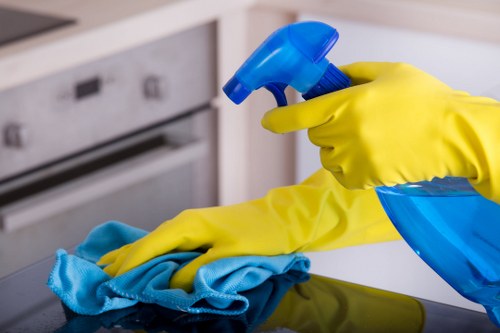 Chemical safety is a key part of the policy. Only approved cleaning agents should be used, and they must be stored, labelled, and handled according to manufacturer instructions. Carpet cleaning solutions should never be mixed unless the product label specifically allows it. Adequate ventilation is important when using products with fumes or when working in enclosed rooms. Spills must be cleaned up promptly to prevent slips or accidental exposure.
Equipment must be inspected before use and monitored during the job. Hoses, cables, plugs, machines, and attachments should be checked for damage, leaks, or signs of wear. Any faulty item must be removed from service and reported. Electrical equipment should be used with care around water, and unnecessary trailing cables should be reduced as much as possible to lower trip risks.
Manual handling must be managed properly to reduce strain and injury. Carpet cleaners often move machines, water containers, furniture, and accessories, so safe lifting techniques are essential. Staff should avoid overloading themselves and should ask for assistance when items are awkward, heavy, or unstable. Where possible, loads should be broken down into smaller and safer movements.
Housekeeping is another important control measure. Work areas should be kept tidy, with cords managed neatly and tools stored safely when not in use. Floors that have been freshly cleaned may remain wet or damp for a period, so warning signs or verbal alerts should be used where needed. Good housekeeping helps prevent accidents and supports a professional standard of work.
Training and supervision are central to maintaining safe practice. All staff should receive instruction on equipment operation, chemical handling, hygiene expectations, emergency procedures, and safe working methods. New or less experienced cleaners should be supervised until they can demonstrate competence. Refresher training should be provided whenever procedures change or additional risks are identified.
Incidents, near misses, and hazards must be reported without delay. This includes injuries, chemical splashes, equipment failures, spillages, and any situation that could have caused harm. Reporting allows lessons to be learned and prevents repetition. Any serious incident should be investigated so that corrective actions can be introduced and the safety system improved.
Staff welfare is also part of this policy. Workers should be encouraged to take reasonable breaks, stay hydrated, and speak up if they feel unwell or unsafe. Cleaning work can be physically demanding, so fatigue must be managed carefully. Safe carpet cleaning depends on alertness, good judgement, and the willingness to stop work when conditions are unsuitable.
 Clients and occupants should be informed about any temporary risks created by the cleaning process. This may include wet surfaces, restricted access, drying times, or the need to keep children and pets away from treated areas. Clear communication helps everyone act safely while work is underway and reduces the chance of avoidable accidents.
Environmental care is also included in safe working practice. Water use should be controlled, waste should be disposed of responsibly, and chemicals should be applied only in the amounts required. Where possible, products with lower risk and lower impact should be selected. Responsible working supports both safety and sustainability without affecting service quality.
Management is responsible for reviewing this policy regularly and making improvements where needed. Changes in equipment, products, working methods, or legislation should be reflected in the policy. A carpet cleaner health and safety policy must remain practical, current, and suitable for everyday use. It should not be treated as a formal document only, but as a guide for safe decision-making on every job.
 In summary, this policy confirms that carpet cleaners must work with care, identify hazards early, and use proper controls to reduce risk. By combining training, supervision, equipment checks, safe chemical use, and good communication, the service can be delivered responsibly and efficiently. Health and safety is a shared duty and a standard that supports quality at every stage of the work.