End of tenancy cleaning guide Canonbury N1C flats
Posted on 03/05/2026
Moving out of a flat is rarely as simple as packing boxes and handing back the keys. There's the last-minute rubbish bag by the door, the odd mark on the skirting board you only notice at 9pm, and that slightly stressful feeling that the checkout inspection could go either way. This End of tenancy cleaning guide Canonbury N1C flats is here to make the process much clearer. It explains what matters, what landlords and letting agents usually look for, and how to get the place properly ready without wasting time on the wrong jobs.
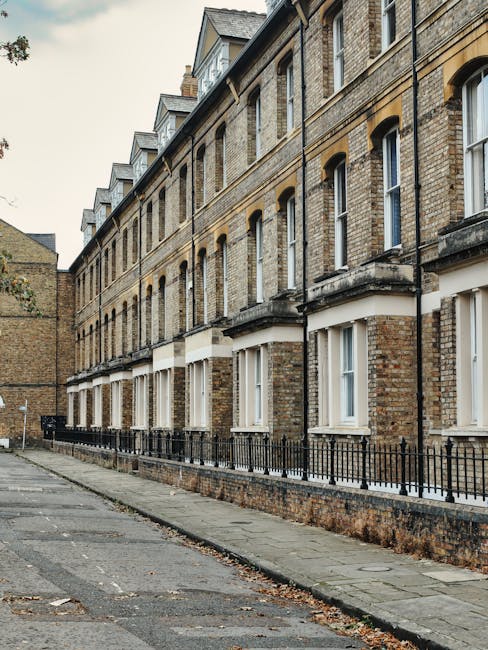
Canonbury and the wider N1C area can attract a mix of long-term renters, professionals, sharers, and small families, so the expectations around move-out cleaning can vary a little from property to property. Still, the core principle stays the same: the flat should be returned in a clean, tidy, and presentable condition, with attention paid to the details that tend to trigger disputes. If you want a practical route through all of it, you're in the right place.
For readers who want a broader look at service options in the area, you can also explore the main end of tenancy cleaning in N1 page, or see how the team positions its wider services overview before deciding what support you actually need.
Why End of tenancy cleaning guide Canonbury N1C flats Matters
End of tenancy cleaning is about more than making a flat look decent in photos. It's about meeting a reasonable checkout standard so the property can be re-let without unnecessary delay, and so deposit discussions stay focused on genuine wear and tear rather than avoidable dirt. In a busy London rental market, that matters. A lot.
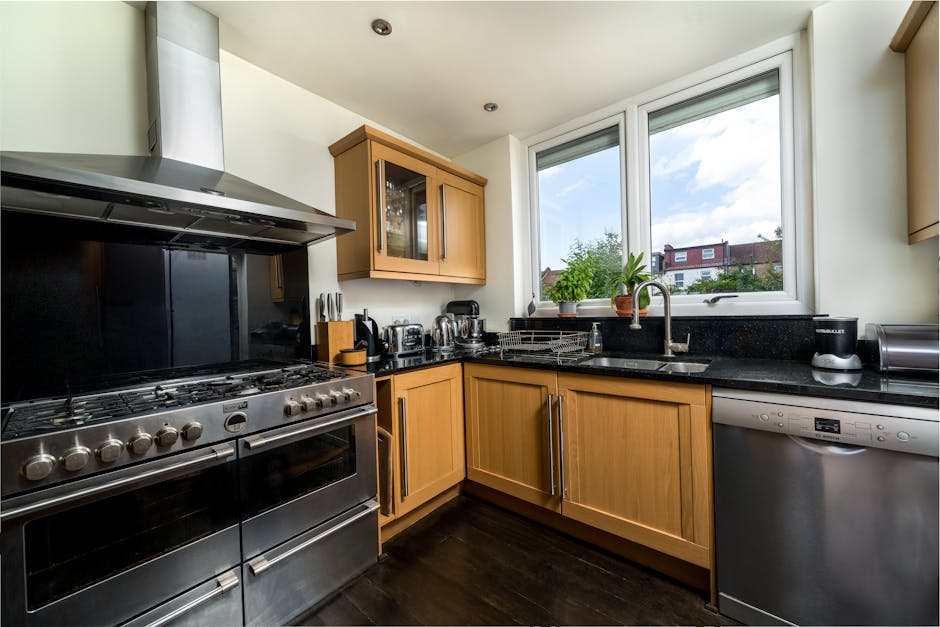
In Canonbury and nearby N1C postcodes, flats often have compact kitchens, high-traffic hallways, open-plan living spaces, and modern fittings that show marks quickly. A fingerprint on a glossy cupboard, a bit of limescale around a tap, or dust behind a radiator can stand out more than you'd expect. Truth be told, these little things are often what make the difference between a smooth handover and an awkward back-and-forth with the inventory clerk.
It also helps to think in practical terms. If you leave behind a clean oven, polished taps, cleared storage, and well-vacuumed carpets, you reduce the chance of extra charges or retention discussions. That doesn't mean every flat has to look brand new. It should simply be cleaned to the level reasonably expected by the tenancy agreement, the condition at move-in, and normal checkout standards.
For local context and a sense of the area, you may find it useful to read what locals say about living in Islington and discovering the modern-traditional mix in Islington. They help explain why many flats here combine older building quirks with newer finishes, which can change how you clean them.
How End of tenancy cleaning guide Canonbury N1C flats Works
End of tenancy cleaning usually follows a simple logic: clean from top to bottom, dry to wet, and least dirty to most dirty. The aim is to remove built-up grime, dust, grease, soap residue, limescale, and general living traces before the final inspection. It's not a deep declutter alone, and it's not just a quick wipe-over either. It sits in the middle, with a strong emphasis on detail.
Most move-out cleans cover kitchens, bathrooms, bedrooms, living spaces, hallways, and internal glass. You'll also often need attention on appliances, skirting boards, sockets, switches, cupboard fronts, and hidden corners. If carpets, upholstery, or mattresses are part of the tenancy expectations, those can need separate specialist treatment. That is where services like upholstery cleaning in N1 and local carpet cleaning become relevant, because soft furnishings tend to hold onto smells, dust, and everyday wear in ways hard surfaces simply don't.
There's also a timing side to it. A good end of tenancy clean works best after all personal items have gone, but before keys are returned. If you clean too early, the flat gets dirty again while you're still moving out. If you leave it too late, you end up rushing the hardest tasks. We've all been there, standing in an empty kitchen with a sponge in one hand and a tape roll in the other, wondering how the day vanished so quickly.
Many tenants in the area also prefer to align cleaning with other moving tasks such as final meter readings, photo checks, and key collection. That makes the whole process less chaotic, and honestly, less miserable.
Key Benefits and Practical Advantages
A properly handled end of tenancy clean has several real-world benefits, and not just the obvious one of making things look nice.
- Better chance of a smoother checkout: a clean flat reduces arguments over avoidable dirt.
- Less stress at the end of the tenancy: moving is already noisy enough without adding avoidable cleaning drama.
- More efficient re-letting: landlords and agents can market the flat sooner when it is tidy and presentable.
- Better results in photos and inspection notes: especially useful in compact flats where every surface is visible.
- Cleaner handover for the next occupant: a practical benefit that landlords do notice.
There is also a financial angle, though it should be handled carefully. A cleaner property is less likely to require follow-up work after checkout. That can save time and reduce the chance of paying for additional remedial cleaning. Of course, no cleaning service can promise deposit outcomes, because final decisions depend on the tenancy agreement, property condition, and inspection judgement. But sensible preparation does help.
For anyone comparing providers, it can be useful to review pricing and quotes before booking. Clear pricing makes it easier to decide whether you need a full service or just a few targeted extras. And if you value an approach that leans toward safer product use, the company's eco-friendly cleaning approach may be worth a look too.
Who This Is For and When It Makes Sense
This guide is mainly for tenants moving out of flats in Canonbury or N1C, but it's useful for a few other people as well.
- Tenants ending a fixed-term tenancy: especially if the inventory check was detailed at move-in.
- Sharers in flats: because shared homes tend to hide cumulative mess in odd places.
- Landlords preparing for new tenants: to set a sensible cleaning standard before re-marketing.
- Letting agents coordinating handovers: when turnaround time is tight.
- Relocating professionals: who need a practical, time-efficient finish before handing back the keys.
It makes the most sense when the flat has seen ordinary day-to-day living and now needs a reset. If the property has been well maintained throughout the tenancy, the final job may be less intense. If not, you may need to take a more systematic approach. That's where a good plan saves the day.
Some tenants also book cleaning after a house party, a long work season, or a hectic stretch where the flat just got away from them a bit. If that sounds familiar, no judgement. Life happens. If you're already in moving mode, you can also browse broader content such as Islington's best party locations and then come back to earth with the practical stuff.
Step-by-Step Guidance
A sensible end of tenancy clean is easier when you break it into stages. The exact order can change depending on the flat, but this is a solid way to work through it.
1. Start with decluttering and removals
Remove all personal items, bins, food, toiletries, old cables, and anything left in cupboards or drawers. Cleaning around clutter wastes time and misses spots. It also makes it harder to see what actually needs attention.
2. Work from top to bottom
Dust shelves, light fixtures, tops of doors, curtain rails, and high corners first. Then move down to furniture, surfaces, skirting boards, and floors. This avoids re-soiling areas you've already cleaned. Simple, but easy to forget when you're tired.
3. Tackle the kitchen carefully
The kitchen is usually the strictest inspection area. Pay attention to the oven, hob, extractor fan, splashback, sink, taps, cupboard doors, fridge, freezer, and hidden grease around handles. If there is built-up grease inside the oven or around seals, that often takes longer than people expect. A rushed kitchen clean is one of the most common reasons for post-checkout complaints.
4. Clean the bathroom thoroughly
Remove limescale from taps, shower screens, sinks, and tiles. Wipe around toilet bases, behind the toilet, and around sealant lines. If the bathroom has poor ventilation, you may also need to deal with mould staining or damp residue. Be careful here: visible residue can read as neglect, even if it built up gradually.
5. Finish with bedrooms and living spaces
Dust surfaces, vacuum carpets, wipe wardrobes, clean inside drawers if required, and polish mirrors or glass. For flats with open-plan layouts, don't forget to check the join between the kitchen and living area, where crumbs, dust, and small marks love to settle.
6. Check floors, edges, and final details
Vacuum thoroughly, including corners, under furniture, and along the edges of rooms. Wipe skirting boards if visible. Clean internal windows where accessible, and remove smudges from switches and sockets. These are the tiny details that can lift the whole finish.
7. Do a final walkthrough
Stand in the flat and look at it as if you were the inventory clerk. What catches your eye first? Are there bin smells, streaked glass, dust lines, or marks at hand height? That last inspection can save you from a disappointing surprise later.
Expert Tips for Better Results
If you want a cleaner, quicker result, a few small habits make a big difference.
- Use the right cloth for the right task: microfiber for dusting, a separate cloth for bathrooms, and another for kitchen surfaces.
- Let products dwell for a moment: especially on oven grease or limescale, because wiping immediately often just smears it around.
- Clean under things, not just around them: this matters in small flats where dust collects behind sofas, beds, and appliances.
- Open windows while cleaning: it helps reduce that heavy cleaning-product smell and keeps the flat from feeling stuffy.
- Photograph problem spots before and after: useful if you need to show what was already present or track your own progress.
A slightly underrated tip: don't save the bathroom for the end if it's in bad shape. Warm, steamy bathrooms can be tedious, and once you're tired, you're more likely to miss the edges. To be fair, nobody enjoys scrubbing shower screens after a long moving day. Get the hard part done early if you can.
If you're unsure whether a task needs professional attention, especially for stubborn staining, carpets, or upholstery, it may be smarter to combine your move-out clean with a specialist service. The broader domestic cleaning in N1 page is useful if you're comparing routine and one-off support, while the company's about us page gives more background on who is carrying out the work.

Common Mistakes to Avoid
Some mistakes show up again and again in move-out cleans. The good news is they're easy to avoid once you know what to look for.
- Cleaning before the flat is empty: it sounds efficient, but it usually creates repeat work.
- Ignoring the oven or extractor fan: these are inspection hotspots for a reason.
- Forgetting cupboards and drawers: especially in kitchen units and bathroom storage.
- Missing dust at skirting level: it's small, but it signals whether the clean was thorough.
- Using too much water on delicate finishes: this can damage wood, laminate, or sealants.
- Leaving cleaning until the last night: a classic moving-day trap, and a stressful one.
- Assuming "looks fine" means "inspection-ready": those are not always the same thing.
Another common issue is forgetting the difference between clean and repaired. A stain may be removable. A chip, crack, or worn patch is a different matter. End of tenancy cleaning can improve presentation, but it won't fix physical damage. That distinction matters, and it saves unrealistic expectations.
Tools, Resources and Recommendations
You do not need a van full of equipment to do a solid move-out clean, but you do need the right basics.
| Task | Useful tools | Notes |
|---|---|---|
| Dusting and surface wipe-down | Microfiber cloths, soft brush, duster | Use separate cloths for kitchen and bathroom areas |
| Kitchen grease removal | Degreaser, non-scratch sponge, warm water | Test carefully on finishes first |
| Bathroom limescale | Limescale remover, cloth, old toothbrush | Work gently around sealant and chrome |
| Floors and carpets | Vacuum, mop, carpet cleaner if needed | Soft flooring may need a specialist finish |
| Windows and mirrors | Glass cleaner, lint-free cloth | Dry edges well to avoid streaks |
If you want to keep things more sustainable, look for products that are effective without being overly harsh. Stronger is not always better. In fact, using a gentler cleaner with patience often works better on modern kitchen fronts, painted walls, and glossy fittings. The company's eco-friendly cleaning information is a useful companion read if that matters to you.
For practical support, it can help to look at the company's insurance and safety details and health and safety policy before booking any service. Those pages are not glamorous, sure, but they matter when you're letting someone into your home and trusting them to work carefully.
Law, Compliance, Standards, or Best Practice
While end of tenancy cleaning is not usually about legal complexity, it still sits within a few important UK rental and consumer expectations. The main one is simple: the property should be returned in the condition set out in the tenancy agreement, allowing for fair wear and tear. What counts as fair wear and tear depends on the property, tenancy length, and how the flat was used. That is why a careful inspection record matters so much.
Tenants should also keep in mind that cleaning standards are often judged against the move-in inventory and checkout report. If a carpet was already marked when you moved in, that should be documented. If a cupboard was chipped before you arrived, note it. This isn't about trying to avoid responsibility; it's about being accurate.
From a best-practice angle, good cleaning should also consider safety and product use. Ventilation matters when using cleaning chemicals, particularly in small flats. Surface compatibility matters too. A powerful product on the wrong finish can create more damage than the original mess. That's why reputable providers usually work carefully and avoid overclaiming.
If you're comparing companies, it's also sensible to review terms and conditions, privacy policy, payment and security, and the complaints procedure. None of that is thrilling reading. But it tells you a lot about how the business is run and how issues are handled if something doesn't go to plan.
Options, Methods, or Comparison Table
There are usually three ways to approach end of tenancy cleaning in a Canonbury or N1C flat: do it yourself, bring in help for specific tasks, or book a full professional service. Each has a place.
| Method | Best for | Pros | Watch out for |
|---|---|---|---|
| DIY clean | Tight budgets, smaller flats, lighter use | Low cost, full control, flexible timing | Time-consuming, easy to miss inspection details |
| Partial professional help | Targeted problem areas | Good for ovens, carpets, upholstery, bathrooms | You still handle the rest of the flat |
| Full end of tenancy service | Busy movers, larger or more worn flats | More thorough, less stress, better time-saving | Higher upfront spend than DIY |
In many cases, the best choice is a hybrid. For example, you might handle decluttering, laundry, and light tidying yourself, then bring in specialists for carpets, sofas, or the oven. That approach is often very sensible in flats with soft furnishings or heavy kitchen use. If your move includes office or storage prep as well, the company's office cleaning area page and house cleaning area page can help show the wider service range.
Case Study or Real-World Example
Here's a realistic example from the sort of move-out situation people in Canonbury and the nearby N1C area often face.
A tenant leaves a two-bedroom flat after three years. The place is generally tidy, but the oven has a layer of baked-on residue, the bathroom taps have visible limescale, and the lounge carpet has a couple of darker traffic areas near the sofa and doorway. Nothing dramatic. Just normal living, really.
The first attempt is a quick clean the night before checkout. It helps a bit, but the grease in the oven doesn't shift fully, and the carpet still looks flat and slightly tired in the morning light. So the tenant changes tack: declutters the flat, does a careful second pass on the kitchen, wipes down all touchpoints, then books a specialist carpet clean. The result is much stronger. The flat looks brighter, smells fresher, and the inventory clerk has fewer notes to raise.
The useful lesson here is not that every flat needs a full professional package. It's that you should focus on the places that naturally create the most inspection risk. In most London flats, that means kitchen, bathroom, floors, and visible surfaces. Get those right and the rest tends to fall into place. Funny how that works.
Practical Checklist
Use this checklist as a final sweep before handover.
- All personal items removed from rooms, cupboards, drawers, and balcony areas
- Kitchen surfaces wiped, cupboards cleaned, and appliance fronts polished
- Oven, hob, extractor, sink, and taps cleaned thoroughly
- Bathroom descale removed from taps, shower glass, tiles, and sink
- Toilet base, seat, flush area, and surrounding floor cleaned
- All floors vacuumed or mopped, including edges and corners
- Skirting boards, switches, and handles wiped down
- Internal windows, mirrors, and glass cleaned without streaks
- Carpets, sofas, or mattresses treated if required by the tenancy
- Bins emptied, fridge/freezer checked, and lingering smells addressed
- Lightbulbs working, plugs and sockets clean, and marks removed where possible
- Final walkthrough completed with photos taken if needed
Expert summary: The best end of tenancy cleans are methodical, not frantic. Start early enough to avoid rush, focus on visible and high-risk areas, and don't underestimate the difference between a tidy flat and an inspection-ready flat.
Conclusion
Moving out of a flat can feel like the last mile of a very long run. By the time you're packing the final box, even tiny jobs can feel bigger than they are. But a thoughtful, well-planned End of tenancy cleaning guide Canonbury N1C flats makes the process far more manageable. You do not need perfection. You need a clean, consistent finish that matches the tenancy expectations and shows the property has been properly cared for.
If you take one thing from this guide, let it be this: clean the places that matter most, check them twice, and don't leave the hardest tasks to the final hour. That one decision can change how the handover feels. Less stress. Fewer surprises. Much better odds of a smooth finish.
And if you'd rather not tackle the whole thing alone, it makes sense to compare service options, look at the support pages, and decide what level of help suits the flat and your timeline. Sometimes the sensible choice is simply getting the right people involved and breathing easier.
Get a free quote today and see how much you can save.
For more background on the business and how it approaches service delivery, you may also want to read the company's tradition of excellence page and the guide to Islington property investment, both of which add helpful context around the local property market and standards.