Islington Council permits for waste after office cleaning: what you need to know
If you have just finished an office clean in Islington, the last thing you want is a bin collection problem, a pavement obstruction, or a surprise issue with waste handling. Yet that is exactly where many businesses get stuck. Islington Council permits for waste after office cleaning is not always a simple phrase, but the practical question behind it is straightforward: how do you store, move, and dispose of cleaning waste properly without causing delays, complaints, or compliance headaches?
This guide breaks it down in plain English. You will learn when a permit might matter, how office-cleaning waste is usually handled, what compliance points to watch, and how to avoid the awkward little mistakes that can turn a tidy clean-up into a messy admin job. Truth be told, that final bin run is often the part people forget. It shouldn't be.
We will also cover practical steps, a useful checklist, and a real-world example so you can make sensible decisions whether you are an office manager, facilities lead, landlord, cleaner, or business owner in N1 or the wider borough.
Table of Contents
- Why Islington Council permits for waste after office cleaning Matters
- How Islington Council permits for waste after office cleaning Works
- Key Benefits and Practical Advantages
- Who This Is For and When It Makes Sense
- Step-by-Step Guidance
- Expert Tips for Better Results
- Common Mistakes to Avoid
- Tools, Resources and Recommendations
- Law, Compliance, Standards, or Best Practice
- Options, Methods, or Comparison Table
- Case Study or Real-World Example
- Practical Checklist
- Conclusion
- Frequently Asked Questions
Why Islington Council permits for waste after office cleaning Matters
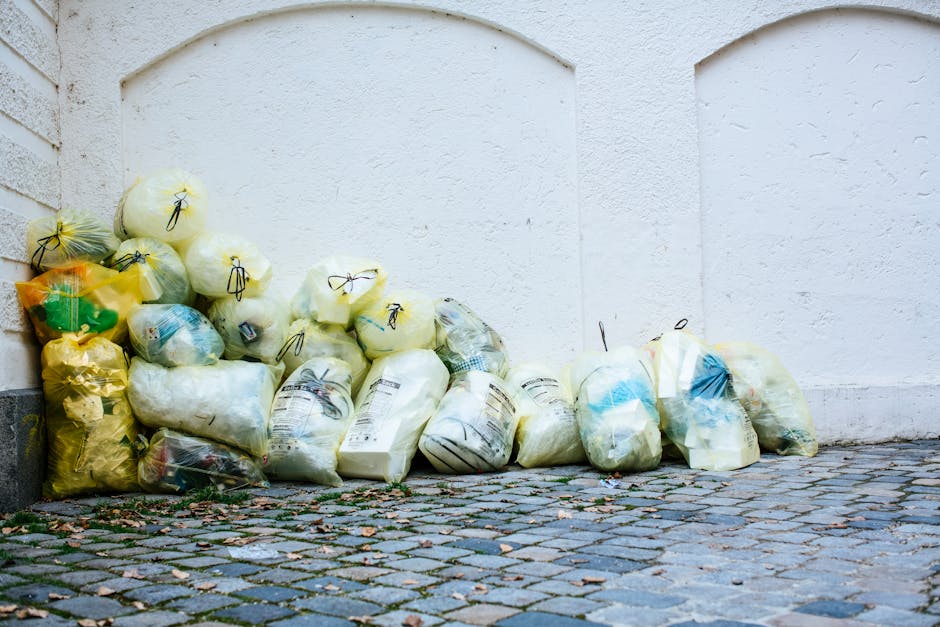
Office cleaning creates waste in several forms: general rubbish, packaging, sanitised wipes, damaged consumables, old desk clutter, broken fixtures, and sometimes bulky items that no longer belong in the workspace. In a busy part of London, that waste does not just disappear neatly at the end of the day. It has to be stored, moved, and collected in a way that fits local rules and common-sense safety practice.
That is why people search for Islington Council permits for waste after office cleaning. In many cases, the real issue is not a special "office cleaning permit" as such, but whether your waste storage, skip use, collection arrangement, or pavement access needs permission or coordination. If waste containers block the public highway, sit out too long, or are used incorrectly, you can run into avoidable trouble. Nobody needs that sort of hassle on a Monday morning.
For businesses, the importance is practical as much as legal. Proper waste handling keeps offices tidy, reduces odours, supports fire safety, and helps avoid complaints from neighbours or building managers. It also keeps your cleaning contractor, reception team, and facilities staff on the same page. In shared buildings, that matters even more because one small mix-up can affect everyone else in the block.
Key point: if your office cleaning generates more waste than can be handled through normal internal bins, you may need to look at council permissions, building rules, private waste collection arrangements, or temporary access controls.
How Islington Council permits for waste after office cleaning Works
The permit question usually appears when waste leaves the ordinary flow of desk-side bin emptying and enters the world of temporary storage, skips, bulky disposal, or work that affects public space. Let's face it, office cleaning can produce more than just a few bin bags. Deep cleans, clear-outs, and post-refurbishment jobs often create a different kind of waste load altogether.
In broad terms, the process tends to work like this:
- You identify what type of waste has been created.
- You check whether it can be handled through normal business waste collection.
- You confirm whether any container, skip, or temporary storage will sit on private land or public land.
- You arrange the correct collection method and any required permission or permit.
- You ensure the waste is transferred and documented properly where required.
The exact route depends on your building and the volume of waste. For example, a small office that only produces a few bags of general rubbish will usually not need anything unusual. A larger office clean after a move-out, on the other hand, might involve bulky waste, restricted loading access, or a skip on the street. That is where permission and planning start to matter.
It also helps to separate cleaning waste from commercial waste. A mop bucket with dirty water, used paper towels, and packaging from cleaning supplies may be routine. But old office chairs, broken cabinets, electrical items, and oversized rubbish are a different story. If you treat all waste the same, you can end up using the wrong disposal method. Not ideal.
For a deeper look at how office cleaning itself is usually structured, our office cleaning service page gives useful context on the kind of work that often creates post-clean waste in the first place.
Key Benefits and Practical Advantages
Handling waste properly after an office clean may sound like a dull admin chore, but the benefits are real. Once you get the process right, everything runs smoother.
- Fewer delays: waste can be removed on schedule instead of sitting around in corridors or loading bays.
- Cleaner workspaces: less mess means a better first impression for staff, visitors, and clients.
- Lower risk of complaints: neighbours, building managers, and landlords are less likely to raise issues.
- Better safety: fewer trip hazards, less fire load, and less clutter in shared areas.
- More predictable costs: planning waste removal early often avoids rush fees or last-minute problem solving.
- Improved compliance: you reduce the chance of handling waste in a way that causes legal or contractual trouble.
There is a commercial upside too. If you are managing office services, waste planning is part of showing that the job has been thought through properly. People notice when a clean finishes neatly. They also notice when a pile of bin bags gets left in the lobby because nobody arranged the next step. Bit of a mood killer, really.
And for offices in older Islington buildings, where access can be tight and shared entrances are common, a tidy waste plan can make the difference between a smooth handover and a morning spent explaining yourself.
Who This Is For and When It Makes Sense
This topic matters to anyone responsible for office waste after cleaning. That could be a facilities manager, office administrator, landlord, property manager, business owner, cleaner, or letting agent. If waste leaves the office space and needs to travel through common areas, loading zones, or the street outside, you are in the right place.
It makes the most sense to pay attention when:
- you are doing a deep clean with significant rubbish removal;
- you are clearing out old furniture or storage items;
- the office is in a shared building or managed block;
- you may need a skip, bulky waste uplift, or temporary outside storage;
- access to the street is controlled or limited;
- you are near pedestrian-heavy routes, where a permit or local approval may be relevant.
If your office clean is minor, the process may be very straightforward. But if the clean is happening after a tenancy change, refurbishment, or relocation, do not assume standard waste collection will cover everything. That is where people trip up. They book the clean, see the mess, and then realise the disposal side was never properly scoped.
For businesses comparing cleaning support with disposal planning, it can also help to look at broader commercial cleaning services, especially if the office needs more than one-off tidying.
Step-by-Step Guidance
Here is a practical, no-drama way to handle office-cleaning waste in Islington.
1. Sort the waste first
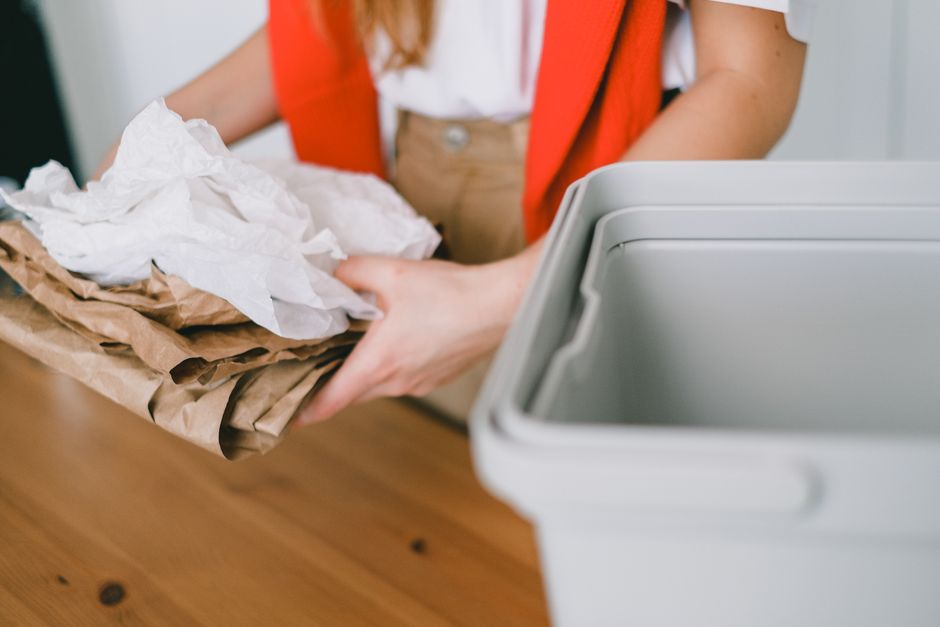
Begin by separating general waste, recyclables, bulky items, confidential paper, electrical waste, and anything potentially hazardous. A few minutes here saves time later. It also helps you avoid mixing waste streams that should not go together.
2. Estimate the volume
Ask yourself: are we talking about a handful of bags, or several large loads? Volume changes the disposal method. A small clean can usually stay within routine collection. A larger clear-out may need extra planning, especially if bins will overflow or items need to be left out temporarily.
3. Check building rules and access
Some buildings have strict instructions about where waste can be stored, when it can be moved, and how service lifts or loading areas are used. In practice, this can matter just as much as council guidance. If the building manager says no bags in the lobby, that is not negotiable, even if the office team is in a rush.
4. Decide whether a permit or special arrangement is needed
This is the key decision point. If waste containers, skips, or loading arrangements affect the public highway or shared public space, you may need a permit or authorisation. If everything remains on private premises and is collected through a standard service, you may not. The distinction is simple in theory, but messy in real life sometimes.
5. Use a suitable collection method
Choose the method that matches the waste. A routine commercial waste collection, one-off clearance, or specialist bulky-item removal may be more suitable than trying to improvise with too few bins. If you need help with clearing items beyond basic rubbish, our house clearance page is useful for understanding how larger clearance work is approached, even when the setting is commercial.
6. Keep evidence and records
Save invoices, collection notes, and any permit correspondence. It is one of those boring little habits that pays off later. If there is a query from management, landlords, or compliance staff, you will have proof of what was arranged and when.
7. Finish with a final inspection
Do one last walk-through. Check loading areas, corridors, corners, and bin stores. Sometimes the last forgotten bag is the one that causes the complaint. Funny how that works.
Expert Tips for Better Results
If you want the process to feel less like firefighting, these are the habits that help most.
Plan the waste before the clean starts. The best office clean-ups are not reactive. They begin with a disposal plan. Even a simple note about what is likely to be thrown away can save time on the day.
Use separate bags or labels. It sounds minor, but it speeds everything up. If cleaning staff can identify which waste is general rubbish and which is recyclable or bulky, the final removal is cleaner and safer.
Check peak times for collections. In busy parts of Islington, timing matters. Early-morning or off-peak loading may be less disruptive than a mid-day scramble. The quieter the route, the less friction.
Build in a buffer. Office jobs nearly always produce one extra bag, one extra box, or one extra awkward item. A small buffer in the plan keeps that from becoming a problem. To be fair, office clean-outs always seem to have one mystery item nobody claims.
Keep fire exits clear. Never stage waste in emergency routes, even briefly. It is not worth the risk. A tidy stack may look harmless, but the wrong stack in the wrong place can create real safety issues.
Ask early if the site is unusual. If the office is in a converted building, basement, shared courtyard, or restricted access site, ask questions before the clean day. A few minutes of checking is much easier than lifting bags over a stairwell because nobody planned the route properly.
Common Mistakes to Avoid
Most problems with office-cleaning waste are not dramatic. They are ordinary, preventable mistakes. The annoying kind.
- Assuming all waste can go in one bin: not all rubbish is handled the same way.
- Leaving bags outside too early: this can create obstruction, mess, or unwanted attention.
- Forgetting access restrictions: lifts, loading bays, and shared hallways often have rules.
- Not checking whether a permit is needed: especially relevant if using street space, skips, or temporary storage.
- Mixing office waste with restricted items: electronics, confidential paper, and bulky waste may need different handling.
- Skipping the final sweep: one overlooked item can undermine an otherwise good clean.
Another common issue is underestimating how awkward waste becomes when it is wet, heavy, or oddly shaped. One broken shelf can suddenly become more trouble than three normal bin bags. That is usually the moment people wish they had arranged a clearer route.
Tools, Resources and Recommendations
You do not need a complicated toolkit to manage office-cleaning waste well, but a few practical tools make life easier.
- Colour-coded bags or labels: useful for sorting waste streams quickly.
- Heavy-duty sacks: better for bulkier waste and less likely to split mid-route.
- Hand trolleys or sack trucks: helpful when moving waste through long corridors or car parks.
- Clear waste log or checklist: keeps everyone aligned on what leaves the site and when.
- Photo records: a simple before-and-after record can settle disputes and support handovers.
It is also worth reviewing a provider's safety and business policies before you book. For example, our health and safety policy explains the kind of safeguards that matter when waste, access, and cleaning work all overlap.
If you want to understand how a cleaner service thinks about responsible disposal more broadly, our recycling and sustainability page is a useful read. Small decisions add up, especially in a busy office environment where waste is generated daily.
And if you are comparing quotes, make sure the estimate includes disposal expectations, not just labour. Our pricing and quotes page is a practical place to start when you want a clearer picture of what is included.
Law, Compliance, Standards, or Best Practice
Waste handling in office settings is governed by a mix of legal duties, site rules, and accepted best practice. The exact obligations will vary depending on the type of waste, who generates it, where it is stored, and how it is collected. That is why a cautious, practical approach is usually best.
In simple terms, you should think about four compliance areas:
- Waste classification: know what kind of waste you are dealing with.
- Storage and presentation: keep waste secure, tidy, and out of the way.
- Transport and collection: use a lawful and suitable method for removal.
- Access and permits: check whether any local permission is needed for streets, skips, or temporary placement.
If you are using a contractor, it is sensible to confirm insurance, handling procedures, and general operational safety. Our insurance and safety information is helpful for understanding the kind of reassurance a responsible cleaning provider should be able to offer.
Best practice also means keeping confidential waste separate, especially in offices handling client data. Paper shredding, secure sacks, or specialist collection may be needed. That is not just tidy housekeeping; it is part of sensible office control.
If the site is in a shared or managed property, do not ignore the building's own rules. Council permissions and building permissions are not the same thing, and both can matter. A cleaner, a facilities manager, and a landlord can each have slightly different expectations. The sensible route is to line them up early rather than untangle them later.
Options, Methods, or Comparison Table
There is no single best method for every office-cleaning waste situation. The right choice depends on waste volume, site access, timing, and whether public space is involved.
| Method | Best for | Pros | Watch-outs |
|---|---|---|---|
| Standard commercial waste collection | Routine office rubbish and recurring waste | Simple, predictable, easy to manage | May not suit bulky or unusual items |
| One-off clearance | Post-clean clear-outs or irregular waste spikes | Flexible and good for larger loads | Can cost more than routine collection |
| Skip placement | Large volumes, refits, or major office changes | Handles substantial waste in one go | May require permission if placed on public land |
| Phased removal | Sites with limited access or multiple waste types | Reduces disruption and improves sorting | Needs better coordination and timing |
| Specialist recycling or separate disposal | Electronics, confidential waste, reusable materials | Better control and more responsible handling | Requires planning and sometimes separate providers |
For many Islington offices, a phased approach is the most realistic. You clear the obvious waste first, then remove bulky items in a second step, and finally check the area for anything left behind. It sounds a bit old-fashioned, but it works.
Case Study or Real-World Example
Imagine a small office near Essex Road that has just completed a deep clean after staff moved desks and storage units around. The team has ten to twelve bags of general waste, some cardboard packaging, a broken chair, a couple of small electronics items, and a stack of paperwork that needs secure handling.
The first instinct is to put everything in one place and deal with it later. That is where problems begin. The bags fill the corridor, the chair does not fit the lift easily, and the building manager wants the loading area kept clear by 9 a.m. A simple clean suddenly feels like a logistical puzzle.
Instead, the team separates the waste at source. General rubbish is bagged securely, recycling is boxed separately, and the broken chair is marked for removal. They confirm whether the waste will stay on private premises or whether anything needs to be moved through shared external space. Because the access route is tight and the office is in a busy local setting, they plan collection for an early, quieter slot rather than trying to improvise later in the day.
The result is not glamorous, but it is smooth. No blocked route, no last-minute panic, no awkward conversation with the building manager. That is the kind of outcome people want, even if they do not always say it out loud. A tidy finish, a proper handover, and no loose ends. Simple enough, really.
Practical Checklist
Use this checklist before and after the office clean.
- Have you identified all waste types created during the clean?
- Have you separated general rubbish, recyclables, bulky items, and confidential waste?
- Have you checked whether the waste stays on private land or affects public space?
- Have you confirmed any building rules about loading, lifts, corridors, or bin stores?
- Have you arranged the correct collection method for the volume and type of waste?
- Have you checked whether a permit or local approval may be needed?
- Have you kept pathways, fire exits, and shared areas clear?
- Have you kept records, photos, or collection notes?
- Have you done a final walk-through after removal?
- Have you made sure no waste has been left behind by accident?
If you can tick most of those boxes, you are in decent shape. If not, that is fine too. Better to catch it now than on collection day.
Conclusion
Islington Council permits for waste after office cleaning are really about making sure waste is handled correctly, safely, and without unnecessary disruption. For some offices, the answer is simple: standard collection, tidy storage, and no special permission needed. For others, especially where skips, street access, or larger clear-outs are involved, a permit or local approval may be part of the picture.
The smart approach is not to guess. Sort the waste, check the access, confirm the disposal method, and keep everything documented. That way you reduce stress, keep the office presentable, and avoid the kind of avoidable issue that steals time from everyone involved. And honestly, that is the whole game here: good planning makes the clean feel like it was always meant to go that way.
If you are comparing your options, reviewing disposal needs, or planning a larger office clean in Islington, take a calm look at the details first. A few minutes now can save a lot of faff later.
Get a free quote today and see how much you can save.
Frequently Asked Questions
Do I always need a permit for waste after office cleaning in Islington?
No, not always. If the waste is handled entirely on private premises and collected through a normal service, a permit may not be needed. Permits become more relevant when waste affects public space, such as a skip on the street or temporary placement that uses the highway.
What counts as office-cleaning waste?
It usually includes general rubbish, paper waste, packaging, cleaning-related waste, broken office items, and sometimes bulky furniture or equipment. The exact mix depends on the job. A deep clean and a clear-out can look very different.
Is a skip the same thing as a permit?
No. A skip is a container or collection method. A permit may be required if that skip is placed on public land or in a location where local permission is needed. People often mix the two up, and it causes confusion.
Can I leave waste bags outside the office overnight?
That depends on where they are placed and what rules apply to your building and street. Leaving waste outside too early can create obstructions, complaints, or safety issues. It is better to check timing and storage rules first.
What should I do with confidential paperwork after a clean?
Confidential paperwork should be separated from general rubbish and handled securely. In many offices, that means using secure destruction or a dedicated confidential waste arrangement. Do not just mix it in with the rest.
Do cleaning companies usually handle disposal as well?
Some do, some do not. It depends on the service agreement. Always check whether waste removal is included, partially included, or separate. It is one of those details that sounds boring until it is suddenly very relevant.
What if the office is in a shared building?
Then building rules become especially important. You may need to coordinate with the landlord, building manager, or concierge before moving waste through common areas or service routes. Shared buildings tend to have more moving parts.
How do I know if waste is bulky enough to need special handling?
If it cannot fit safely into standard bins or normal collection sacks, or if it creates access issues, it probably needs special handling. Furniture, broken office chairs, and larger storage items are common examples.
Can office cleaning waste include recycling?
Yes. Cardboard, certain plastics, and paper can often be separated for recycling, depending on your waste contractor and site setup. Sorting at the source usually makes life easier and supports better waste management.
What records should I keep after waste is removed?
Keep collection notes, invoices, permit records if relevant, and any photos or handover notes you may need later. It is good practice, and it helps if there is ever a question about what happened on site.
What is the biggest mistake offices make after a deep clean?
Usually it is underplanning the disposal side. The cleaning itself gets attention, but the waste route gets treated as an afterthought. That is where delays, clutter, and avoidable stress tend to start.
Should I ask about waste removal when booking office cleaning?
Yes, absolutely. It is sensible to ask in advance how waste will be sorted, stored, and removed, and whether any permits or extra arrangements might be needed. A five-minute question now can save a half-day problem later.