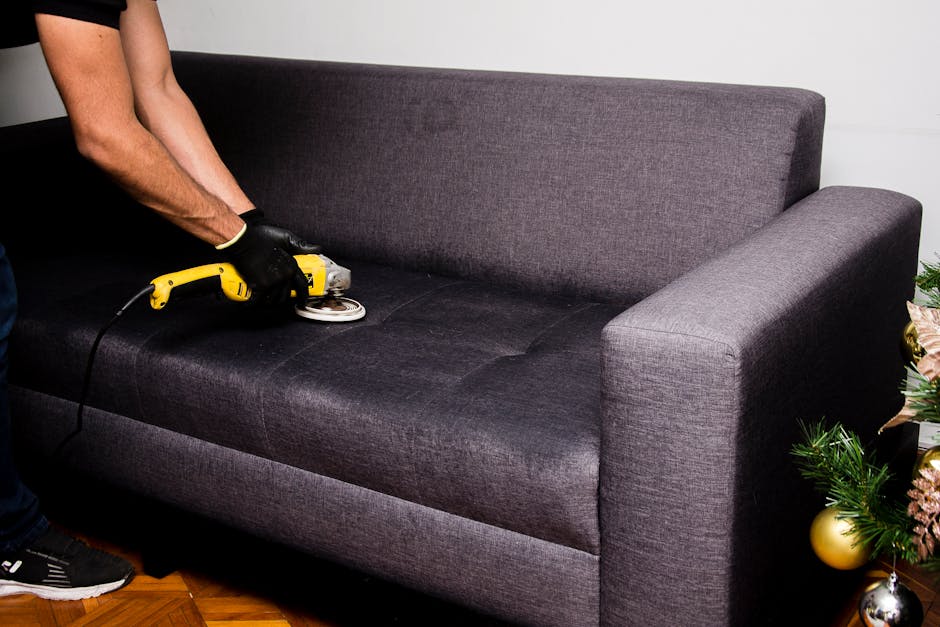
Licences insurance and safety for Islington upholstery cleaning
If you are comparing upholstery cleaners in Islington, the flashy before-and-after photos are only part of the story. The quieter part - and honestly the part that protects you most - is licences, insurance and safety. When a sofa, armchair or dining bench is being cleaned in a flat off Upper Street or in a busy commercial space near Angel, you want to know the work is being carried out responsibly, with proper cover and sensible precautions. That is what this guide is about: Licences insurance and safety for Islington upholstery cleaning, explained in plain English, with the practical details that help you choose well.
We will look at what "licences" really means in this context, what insurance should cover, how safe upholstery cleaning should be carried out, and what to ask before you book. You will also find a checklist, a comparison table and a realistic example so you can make a confident decision without second-guessing every little detail. To be fair, this is one of those topics people only think about after something goes wrong. Better to get it right first time.
Why Licences insurance and safety for Islington upholstery cleaning Matters
Upholstery cleaning looks simple from the outside: a machine, a bottle, a technician, and a tired sofa. In reality, there is a mix of textile knowledge, chemistry, moisture control, electrical equipment and on-site judgement. If those elements are handled carelessly, the problems can be surprisingly expensive. Colour bleed, shrinkage, water marks, lingering odours, damaged stitching, slippery floors, and even knock-on claims from neighbours or landlords can all happen. That is why licences insurance and safety are not just "nice to have". They are the basics.
For Islington properties in particular, the setting matters. You may be dealing with narrow stairwells, shared entrances, permit restrictions, period properties, managed blocks or commercial spaces that need work done quietly and neatly. A cleaner who understands these realities is more likely to plan properly, protect surfaces and avoid disruption. The difference is noticeable. You can almost hear it in the way a technician arrives: measured, prepared, not rushing.
There is also a trust issue. Anyone can say they clean sofas. Fewer can show clear insurance, sensible risk controls and a structured approach to safety. That matters whether you are booking a one-off job or arranging ongoing care alongside regular cleaning, house cleaning or office cleaning. If upholstery work is part of a wider cleaning plan, consistency matters even more.
Expert summary: the safest upholstery cleaning provider is not necessarily the cheapest or the most persuasive on the phone; it is the one that can explain its process, show relevant cover, and describe how it will protect your furniture and property before a single drop of water is used.
How Licences insurance and safety for Islington upholstery cleaning Works
Let's clear up the word "licences" first. In everyday conversation, people often use it to mean whether a business is properly allowed to operate. For upholstery cleaning, there may not always be a single special licence in the way there would be for some trades, but a legitimate business should still operate as a real UK business, follow relevant regulations, and have the right insurances and procedures in place. That is the practical meaning here.
Safety works in layers. The first layer is risk assessment. The cleaner should identify what could go wrong: fragile fabrics, delicate trims, hidden stains, electrical sockets near the work area, traffic through the room, pets, children, or moisture-sensitive flooring. The second layer is method selection. Not every item should be treated the same. A velvet sofa, a wool armchair and a synthetic dining chair all want different handling. The third layer is protection. That means moving or shielding nearby items, testing cleaning solutions, controlling moisture and checking drying conditions.
Insurance is the safety net if something unexpected happens. The exact wording varies, but you would normally expect a responsible cleaning business to have public liability insurance and suitable business insurance. Public liability is especially important because it can help protect against accidental damage or injury linked to the work. If a technician spills solution on a floor and someone slips, or if an item is accidentally marked, insurance becomes very relevant very quickly.
Good operators also back up the paperwork with real-world habits. They use labelled products, inspect the fabric, work from a plan, and clean with restraint rather than brute force. In other words, they do not treat every sofa like it is made of indestructible hotel vinyl. That would be a bit optimistic, wouldn't it?
If you are booking upholstery cleaning as part of a broader property reset, it can be useful to review the provider's general service standards too. Pages such as about us, health and safety policy and insurance and safety help you judge whether the business thinks systematically or just hopes for the best.
Key Benefits and Practical Advantages
There is a very practical upside to choosing an upholstery cleaner that takes licences, insurance and safety seriously. The first benefit is reduced risk. That sounds obvious, but it covers a lot: less chance of damage, less chance of unnecessary delays, and less chance of a stressful follow-up conversation about who is responsible for what.
The second benefit is better workmanship. A careful, insured cleaner is usually more likely to inspect the item properly before starting. That means they notice loose seams, sun-faded areas, antique materials or previous DIY stain attempts. Once they know what they are dealing with, they can choose a method that suits the fabric rather than forcing the fabric to suit the method.
The third benefit is peace of mind for landlords, tenants, homeowners and businesses. If you manage a rental in Islington, for example, upholstery cleaning may be part of a move-out process or a wider end of tenancy cleaning appointment. You do not want avoidable damage in a deadline-driven situation. Likewise, a local office booking commercial cleaning or commercial carpet cleaning often needs a provider that can work unobtrusively, keep walkways safe and respect shared premises.
The fourth benefit is a more professional customer experience. A business that treats safety seriously tends to communicate better overall. You usually see this in the quote stage, where they ask sensible questions instead of guessing. It may sound small, but it saves a lot of mess later. Literally and figuratively.
- Reduced risk of accidental fabric damage
- Better control over moisture and drying
- Clearer responsibility if something goes wrong
- Safer access in homes, flats and workplaces
- More dependable results on delicate or valuable items
Who This Is For and When It Makes Sense
This topic matters to almost anyone booking upholstery cleaning in Islington, but some groups should pay even closer attention. If you are a homeowner with a fabric sofa that cost real money and has to survive family life, pet hair and the occasional late-night snack spill, insurance and safe methods are not optional extras. They are part of protecting the furniture you already own.
Landlords and tenants also need to think carefully. Upholstery can be part of a furnished rental, and the condition of chairs, sofas and headboards can influence handover disputes. A cleaner with the right safeguards helps reduce arguments that nobody wants at the end of a move. If you are already organising move out cleaning or move in cleaning, upholstery often belongs on the same checklist.
Businesses need this too, probably more than they realise. Waiting areas, meeting rooms, serviced apartments, hospitality lounges and staff spaces all pick up marks that quietly make a place look tired. A properly insured upholstery clean can fit alongside office cleaning, airbnb cleaning or communal area cleaning. If you manage multiple rooms, a coherent cleaning plan is much better than one-off panic bookings.
It also makes sense when you have specific risks: delicate fabrics, heavily used furniture, allergy concerns, pet odours, or a property with limited access. A sofa in a top-floor flat with a narrow staircase is a different beast from a dining chair in an open-plan office. Not wildly different, but different enough to matter.
Step-by-Step Guidance
If you want to assess licences insurance and safety for Islington upholstery cleaning properly, use a simple process. Nothing fancy. Just a clear set of checks.
- Ask what the cleaner actually does. Do they inspect the fabric first? Do they test a hidden area? Do they adapt methods for natural fibres, synthetics and mixed upholstery?
- Check the business status. A genuine cleaning company should be able to explain who they are, how they operate and what paperwork they carry. If the explanation feels vague, pause there.
- Ask for insurance confirmation. You do not need a dramatic legal lecture. You just need reassurance that suitable cover exists for accidental damage and public-facing work.
- Review the safety approach. A good cleaner should talk about ventilation, drying, slip prevention, electrics near water, and how they protect nearby surfaces.
- Clarify what is excluded. Some items may be too fragile, already damaged or unsuitable for wet cleaning. A careful professional will say so plainly.
- Confirm the room setup. Ask whether furniture needs to be moved, whether pets should be kept away, and how long the area will need to dry.
- Get the price structure in writing. A trustworthy provider should explain the quote clearly. If you need a starting point, pricing and quotes is the kind of page that helps you understand how a business frames its costs.
Here is the bit many people skip: ask what happens if the technician finds a hidden issue. Maybe the fabric has pre-existing fading, or a stain has already penetrated the filling. The answer should be calm and specific, not defensive. That response tells you a lot about the company's professionalism.
And yes, you can absolutely ask these questions before you book. You should. It is your furniture and your home, after all.
Expert Tips for Better Results
After years of seeing how cleaning jobs go right - and occasionally sideways - a few patterns stand out. The best results usually come from small, sensible habits rather than dramatic interventions.
Tip one: describe the fabric honestly. If you know the sofa is velvet, linen blend, leather-effect, microfiber or something else, say so. If you are not sure, mention that too. A good cleaner would rather start with uncertainty than with the wrong assumption.
Tip two: mention recent spills quickly. Fresh stains are often easier to deal with than old set-in ones. Waiting overnight can turn a manageable issue into a stubborn one, and nobody needs that little surprise on a Tuesday morning.
Tip three: improve airflow. Open a window if it is practical, keep the room tidy and avoid placing cushions back too soon. Drying is not glamorous, but it makes a difference.
Tip four: think about the wider cleaning plan. Upholstery cleaning works well alongside rug cleaning, curtain cleaning, mattress cleaning or pet stain odour removal. Doing everything at once can be more efficient and usually gives the whole room a fresher feel.
Tip five: keep a record. A photo before the job, and another after, can be handy if you are managing a property or shared furniture. Nothing dramatic. Just sensible.
One small human note: a neat, insured cleaner who spends an extra minute checking a seam often gives better results than someone who starts immediately with the loudest machine in the van. Slightly less cinematic, admittedly, but far more reassuring.
Common Mistakes to Avoid
The biggest mistake is assuming every upholstery cleaner offers the same level of protection. They do not. Some are methodical and transparent; others are basically improvising with a spray bottle and confidence. Let's not pretend those are the same thing.
Another common mistake is failing to ask about insurance until after something has gone wrong. By then, the conversation is much less comfortable. Ask early. It keeps everyone honest and avoids awkwardness.
People also underestimate the importance of fabric-specific care. A strong cleaner can still be the wrong cleaner if they use an approach suited to one material on a completely different one. That can leave rings, texture changes or over-wetting. Not ideal, obviously.
Here are a few more missteps worth avoiding:
- Booking on price alone without checking process or cover
- Assuming "professional" automatically means insured and trained
- Not mentioning delicate trims, antique pieces or prior damage
- Ignoring drying time and using the furniture too soon
- Forgetting to ask how stain protection or deodorising is handled
If a business also offers broader cleaning services, it is worth checking whether their standards carry through across them. A company that handles deep cleaning, domestic cleaning and one-off cleaning should still be able to explain how it keeps upholstery work safe and consistent.
Tools, Resources and Recommendations
You do not need a van full of specialist gear to evaluate an upholstery cleaner, but a few practical tools help. First, use a simple questions list on your phone. Keep it short: insurance, fabric testing, drying time, stain approach and what happens if damage is discovered. That alone will tell you a lot.
Second, keep a few basic documents or notes ready if the job is in a managed building or workplace. Access instructions, parking notes, concierge information and any restrictions on water use or noisy equipment can prevent delay and confusion. Islington buildings can be straightforward one day and oddly fussy the next, so it helps to be ready.
Third, look for the company's own policy pages. If they publish information on health and safety policy, terms and conditions, payment and security, privacy policy and recycling and sustainability, that tends to indicate they are used to operating in an organised way.
Recommended in practice:
- Choose a cleaner who explains the method before starting
- Check whether protective pads, airflow or floor protection are used
- Keep fragile decorative items away from the work zone
- Ask for clear aftercare advice once the work is finished
- Save the invoice and any notes about fabric condition
Small details, yes. But small details are where safe cleaning lives.
Law, Compliance, Standards, or Best Practice
This area sits somewhere between legal compliance and sensible operational practice. For upholstery cleaning, the main point is not usually a specialist licence requirement in the way people sometimes imagine. Instead, the focus is on operating lawfully as a business, working safely on site, and using procedures that minimise risk to the customer, staff and property.
In the UK, businesses are generally expected to have appropriate insurance, provide services with reasonable care and skill, and follow health and safety duties relevant to the work they carry out. For upholstery cleaning, that means considering things like safe chemical handling, electrical safety around wet processes, slip hazards, ventilation, manual handling and protecting occupants from avoidable harm. A conscientious business will build these checks into its routine rather than treating them as paperwork afterthoughts.
It is also good practice to use product information properly, test fabrics before full treatment, and keep a sensible record of any limitations or pre-existing damage. If a cleaner claims they can clean every material in every condition without assessment, that is not confidence. That is a red flag with a spray nozzle.
For commercial settings, the bar is often higher in practice. Offices, hospitality venues and communal buildings may need work scheduled around occupants, fire exits, access routes and building management rules. That is one reason commercial customers often ask for evidence of insurance and a clear safety process before they approve a booking.
Best practice in this context means a simple combination: clear communication, proportionate risk management, trained judgement and suitable cover. No drama. Just decent professional standards.
Options, Methods, or Comparison Table
Not every upholstery job needs the same approach. The right method depends on fabric type, the extent of soiling and how quickly the item needs to be back in use. Here is a simple comparison that helps explain the trade-offs.
| Approach | Best for | Strengths | Watch-outs |
|---|---|---|---|
| Light surface cleaning | Maintenance between deeper cleans | Quick, low disruption, useful for dust and light marks | Won't solve embedded staining or odour |
| Targeted stain removal | Specific spills or marked areas | Focused treatment, efficient on isolated problems | Needs good fabric knowledge to avoid tide marks or colour loss |
| Full upholstery cleaning | Overall refresh of sofas, chairs and benches | More complete result, better for general grime | Requires drying time and careful moisture control |
| Odour treatment | Pet smells, smoke or stale fabric | Improves comfort and freshness | Should be matched to the source of the odour, not guessed |
If you are weighing up the options, the question is not only "what cleans best?" It is also "what cleans best without risking the item?" That is where insurance, technique and safety practice all meet.
Case Study or Real-World Example
Here is a realistic scenario. A small design studio in Islington has a fabric sofa in its reception area. It looks decent from a distance, but up close it has tea marks, a patch of dust from the road-facing window and a faint smell from winter damp. The business wants it sorted before a client meeting the following day.
A rushed cleaner might have gone in heavy-handed, over-wet the fabric and left the sofa looking patchier than before. Instead, a careful provider checks the fabric, confirms access routes, protects the floor, and explains the drying time clearly. They also note that the sofa is in a shared space, so they keep cables tidy and avoid creating a slip risk near the entrance. The work is done in a way that suits the room, not just the machine.
The result is not magic. It is better than magic, actually. The sofa looks fresher, the room smells cleaner, and the studio can use the space the next day without worrying about a damp patch or a soggy surprise. A small detail, but it changes how the whole room feels.
That is the real value of proper licences insurance and safety for Islington upholstery cleaning. It turns a simple service into a reliable one.
Practical Checklist
Use this checklist before you confirm any upholstery cleaning booking:
- Ask whether the business is properly established and can explain how it operates
- Confirm suitable insurance is in place for accidental damage and public-facing work
- Check that the cleaner will inspect and test the fabric first
- Make sure they can explain how they protect floors, nearby furniture and access areas
- Ask about drying time and when the upholstery can be used again
- Tell them about stains, odours, pets, children or previous DIY treatment
- Request a clear quote and understand what is included
- Ask what happens if the item is found to be unsuitable for wet cleaning
- Keep fragile items and valuables out of the work area
- Save the aftercare advice for later, because you will probably forget it by tea time
If you want to compare broader service standards before booking, it can also help to review the provider's complaints procedure and contact us information. Clear communication is often a good proxy for a well-run operation.
Conclusion
Licences insurance and safety for Islington upholstery cleaning is really about confidence. Not blind confidence, but the calm sort that comes from knowing your cleaner understands the fabric, the risks and the setting. In a borough like Islington, where properties range from compact flats to busy commercial spaces, that matters quite a bit.
If you remember only one thing, make it this: the best upholstery cleaning is careful before it is clever. Insurance protects you if something unexpected happens, safety protects the room while the work is underway, and good judgement protects the furniture itself. That combination is what separates a decent service from a risky one.
When you choose a provider that communicates clearly, works methodically and respects your space, the whole process becomes easier. Less stress. Better results. And a room that feels genuinely looked after, not just cleaned.
Get a free quote today and see how much you can save.
And if you are still comparing options, take your time. A good decision here tends to pay you back every time you sit down.
Frequently Asked Questions
Do upholstery cleaners in Islington need special licences?
Not usually a single special licence in the way people often imagine, but they should still be operating as a genuine business and following the right legal and safety obligations. The practical test is whether they can explain their process clearly and show suitable cover.
What insurance should an upholstery cleaning company have?
At minimum, you would normally expect public liability insurance and appropriate business cover. That helps protect against accidental damage or injury linked to the work. If a company cannot explain this clearly, treat that as a warning sign.
Why does safety matter for upholstery cleaning?
Because upholstery cleaning involves water, cleaning solutions, electricity, moving furniture and often delicate fabrics. Without sensible safety controls, the risk of damage or injury rises quickly. It is not just about the sofa.
How can I tell if a cleaner is trustworthy?
Look for clear answers, not vague promises. Trustworthy cleaners usually explain fabric testing, drying times, insurance, access needs and what they will do if a piece is unsuitable for cleaning. Straightforward communication matters.
Should I ask for proof of insurance before booking?
Yes, if you want peace of mind. A professional cleaner should not mind confirming their cover in plain terms. You do not need a legal lecture, just a sensible reassurance that the business is properly protected.
Is upholstery cleaning safe for delicate fabrics?
It can be, but only if the method matches the fabric. Delicate materials often need testing, careful moisture control and a gentler approach. There is no one-size-fits-all answer, which is exactly why fabric assessment matters.
What should I do before the cleaner arrives?
Clear small items away, mention any special concerns, and make sure access is easy. If you have pets or young children, keep them out of the work area. A few minutes of preparation helps the job run smoothly.
Can upholstery cleaning damage my sofa?
It can if it is done badly or on the wrong fabric. That is why insurance, experience and proper testing are so important. A careful cleaner reduces the risk, but they should also be honest about any limits.
How long does upholstery take to dry?
Drying time varies depending on the fabric, method and room conditions. Good airflow helps, and a professional should give you a realistic expectation before starting. If someone promises instant drying for every item, be cautious.
What if I need upholstery cleaning as part of a bigger clean?
That is very common. Upholstery cleaning often fits neatly with steam carpet cleaning, one-off cleaning or domestic cleaning. It can be more efficient to bundle jobs together, especially if you want the whole room to feel refreshed.
What questions should I ask before booking?
Ask about insurance, fabric testing, drying time, stain handling, access requirements and what happens if damage is found beforehand. Those questions are simple, but they reveal a lot about how the company works.
Is it worth paying more for a safer, insured cleaner?
In most cases, yes. A slightly higher price can be cheaper than dealing with damaged upholstery, a wet floor or an awkward dispute later. Good service is often quieter, more careful and more reliable. That's the real value.
Where can I learn more about the company's standards?
Look at pages such as about us, health and safety policy, insurance and safety and terms and conditions. Those pages can give a clearer sense of how seriously the business treats its responsibilities.