
Real cost of carpet cleaning in Islington compared to DIY
Posted on 12/06/2026
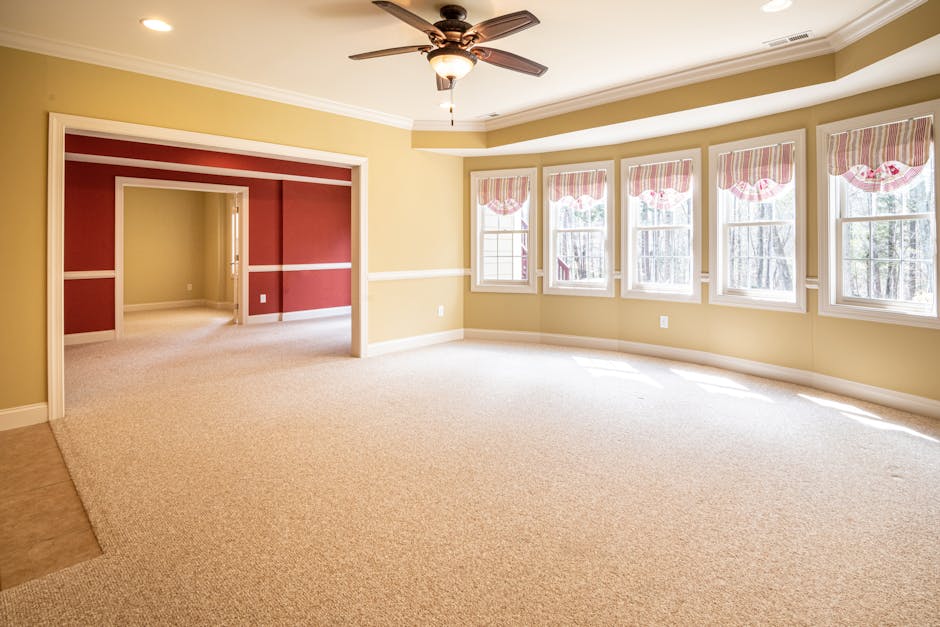
If you are weighing up the Real cost of carpet cleaning in Islington compared to DIY, the answer is rarely just the price on the tin. A hired machine, a bottle of shampoo, a couple of hours on a Saturday, maybe a wet hallway that smells faintly of detergent by tea time - it all adds up. In Islington, where homes range from compact flats to family houses with stairs, soft furnishings, and the odd stubborn stain, the cheaper option on paper is not always the cheaper option in practice.
This guide breaks down the true costs, the hidden bits people forget, the time factor, and where professional cleaning can actually be the better value. We will also look at when DIY makes sense, where it often falls short, and how to decide without second-guessing yourself later. To be fair, that second-guessing usually starts the moment the carpet is still damp the next morning.
Why Real cost of carpet cleaning in Islington compared to DIY matters
Carpet cleaning looks simple from a distance. Buy a machine, spray a product, work the fibres, wait for it to dry. Job done. But the real world is a bit messier than that. A proper cost comparison matters because the visible price is only one part of the decision. You also pay in time, effort, drying risk, mistakes, repeated attempts, and sometimes damage.
In Islington, this matters even more because many properties have high foot traffic, older fitted carpets, rental turnover, and tight spaces where moving furniture is a chore. A small one-bed in Angel is not the same job as a lived-in family flat near Highbury, and the cost difference between DIY and professional cleaning changes depending on carpet condition, room count, and stain severity.
There is also the freshness factor. A carpet that is technically cleaned but still sticky, too wet, or patchy often ends up attracting dirt faster. Then you clean it again. And again. That is where "cheap" starts becoming surprisingly expensive.
For landlords, tenants, and homeowners alike, this comparison is also about expectations. If you are preparing for the end of a tenancy, trying to freshen up a property before viewings, or simply trying to keep a flat healthy and presentable, the choice affects your wallet and your weekend. If you want a broader sense of the cleaning landscape around the area, the services overview gives a useful picture of how carpet care fits alongside other domestic work.
How Real cost of carpet cleaning in Islington compared to DIY works
The cleanest way to compare the two approaches is to break costs into categories. Not just hire price versus service fee, but the entire job from start to finish.
1) DIY carpet cleaning cost components
DIY seems budget-friendly because you can control the spend. In practice, the cost usually includes:
- rental or purchase of a carpet machine
- cleaning solution and stain remover
- pre-treatment spray
- spot treatment for stubborn marks
- extra cloths, gloves, and protective covers
- water, electricity, and drying aids
- your own time, which is not free even if we all pretend it is on a Saturday morning
The biggest hidden cost is usually rework. If the first pass leaves residue, you may need to go over it again. If you use too much solution, you can create soapy build-up or prolong drying. If the carpet is delicate, over-wetting can leave edges curling or underlay damp. Not ideal.
2) Professional carpet cleaning cost components
Professional pricing normally reflects labour, equipment, cleaning chemistry, experience, and the convenience of a job done in one visit. Depending on carpet size, access, stain level, and property layout, the price can vary. In Islington, stairs, parking constraints, and compact entrances can also affect the final quote.
Good providers usually include:
- assessment of carpet type and soil level
- pre-vacuuming and pre-treatment
- professional-grade extraction or hot water cleaning
- stain attention where appropriate
- faster, more controlled drying than most DIY setups
Some companies also explain what is included and what counts as extra work. That matters. If you are comparing options, it is worth reading about pricing and quotes before assuming every low number is a good deal.
3) The time cost most people forget
This is the one people notice only after they start. DIY cleaning does not just take the time to clean. It takes time to prep the room, test the machine, fill and empty tanks, wait for drying, move things back, and deal with any missed patches. A pro team usually compresses all of that into a much shorter disruption.
If your Saturday is valuable, and in Islington most Saturdays already seem to vanish into errands, laundry, and trying to find somewhere that does a decent coffee, then time is part of the cost. Always.
4) The risk cost
DIY risk is not always dramatic, but it is real. Common problems include overwetting, wicking, detergent residue, shrinkage on sensitive fibres, and a patchy finish. The professional route reduces those risks, though it does not remove them completely. The key is choosing the right method for the carpet type.
Key benefits and practical advantages
There are decent reasons to go either way. The better choice depends on what you want the carpet to look and feel like when you are done - and how much hassle you are willing to tolerate.
Why DIY appeals
- Lower upfront spend if you already have basic supplies
- Full control over timing
- Useful for small spills or light refreshes
- Can work well for low-traffic rooms and maintenance cleaning
Why professional cleaning often wins on value
- Better equipment and stronger, more controlled extraction
- Faster drying in many cases
- Less chance of residue or over-wetting
- More suitable for larger homes, rental turnover, and tougher stains
- Less personal effort, which really does matter after a long week
There is also a quality-of-finish difference. A DIY clean can improve appearance, no question. But professional cleaning more often restores a carpet to the point where the room smells fresher, looks brighter, and feels properly reset. That can affect how you experience the whole flat. A dull carpet quietly drags everything down; a clean one makes the place feel more cared for.
For households that care about methods and materials, it may also help to look at eco-friendly cleaning. Not every job needs a heavy chemical approach, and greener options can be a sensible middle ground if the carpet only needs a careful refresh.
Who this is for and when it makes sense
This decision is not the same for everyone. Let's be honest, a single stain near the sofa and an entire hallway carpet after years of use are two very different jobs.
DIY makes sense when:
- you have one or two small areas to freshen
- the carpet is relatively new and lightly soiled
- you are comfortable handling equipment
- drying time is not a big issue
- you are cleaning as part of regular maintenance rather than recovery work
Professional cleaning makes sense when:
- the carpet is heavily used or visibly tired
- there are pet smells, food spills, or old stains
- you are dealing with an end-of-tenancy deadline
- you need a more predictable result
- you want to avoid the trial-and-error phase entirely
Landlords and tenants often prefer professionals because the value is not just in the clean carpet. It is in reducing arguments, improving first impressions, and making the property easier to hand over. If that is your situation, it can help to read the local advice in hidden charges to avoid when booking Islington cleaning so you know what to question before you book.
Families, shared houses, and offices can also benefit from professional work simply because the footfall is higher. The more people there are, the more likely it is that crumbs, grit, and everyday grime will settle into the fibres. That stuff does not politely stay on the surface.
Step-by-step guidance
If you are deciding between DIY and hiring a cleaner, follow this order. It saves confusion and prevents the "we'll just see how it goes" approach, which often goes exactly as badly as you would expect.
- Assess the carpet condition. Look at traffic lanes, stains, smells, and pile damage. If the carpet is flat, greyed, or odour-prone, you are beyond a simple refresh.
- Check the fibre type. Wool, blends, and synthetic carpets can all respond differently. A product that behaves well on one can be awkward on another.
- Count the true cleaning area. Do not just think in rooms. Measure hallways, landings, and awkward corners too.
- Estimate DIY supplies. Add machine hire, cleaner, stain remover, cloths, and any protective materials. Include a buffer for extra product.
- Factor in drying time. If the room needs to be usable the same day, that matters. A lot.
- Compare that total with a professional quote. Use the whole figure, not the headline price.
- Decide based on risk, not just spend. A cheaper clean that leaves residue or damage is not really cheaper.
A simple rule helps here: the more important the result, the less attractive guesswork becomes. If it is your own spare room, DIY may be fine. If it is the main living room before guests arrive or before a moving-out inspection, a professional service tends to be the calmer choice.
Expert tips for better results
There are a few practical things that make a noticeable difference whether you clean yourself or hire it out.
- Vacuum thoroughly before any wet cleaning. Dry soil turns into slurry the moment it gets damp. Nobody wants that.
- Test any product in a hidden spot first. This is especially true for older carpets and patterned fibres.
- Do not soak the carpet. Controlled moisture is the goal. Flooding a carpet is not a strategy.
- Work on one section at a time. That makes drying more even and helps avoid missed patches.
- Blot, do not rub, when tackling stains. Rubbing often pushes the mark deeper.
- Use fans or open windows if weather allows. Drying speed makes a real difference to finish and smell.
If you are using a professional service, ask what their process includes. A proper provider should be able to explain pre-treatment, fibre care, drying expectations, and any stain limitations in plain English. If the explanation sounds vague, that is usually a warning sign.
You may also find it reassuring to review a company's approach to insurance and safety. It is not flashy, but it matters when equipment, water, and someone else's flooring are involved.
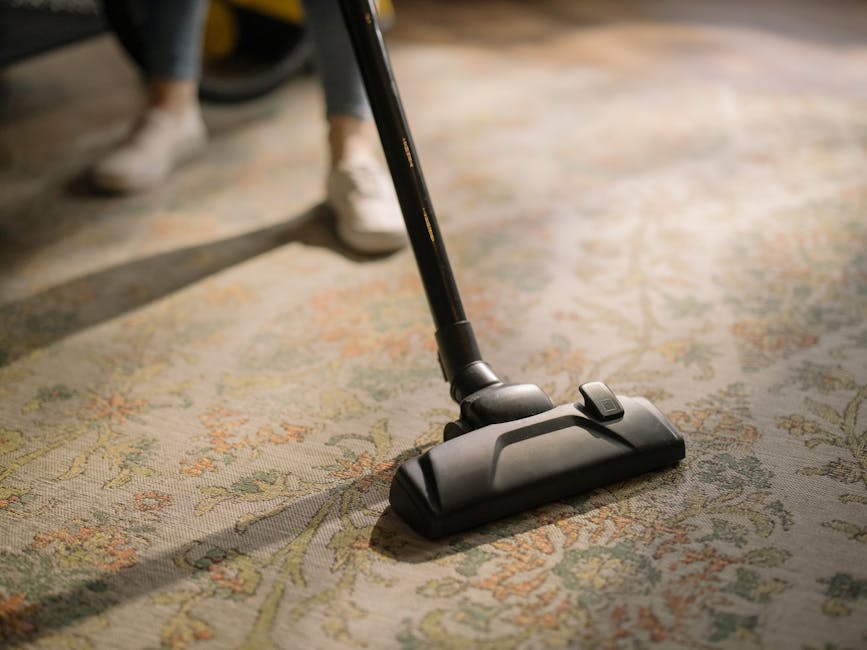
Common mistakes to avoid
The hidden cost of DIY is not just the machine hire. It is the avoidable mistakes. Here are the ones that show up most often.
1) Choosing the cheapest option without checking what is included
A low-cost machine with weak suction can leave carpets too wet and not very clean. That bargain starts looking less clever once the room still smells damp at breakfast.
2) Using too much detergent
More product does not mean better cleaning. In fact, residue can attract dirt faster and make carpets feel sticky.
3) Skipping a stain test
Even a mild-looking cleaner can discolour delicate fibres. Test first. It takes minutes and saves grief.
4) Cleaning only the visible mark
Spot cleaning a single patch sometimes leaves a bright circle around the treated area. A broader blend is often needed for a natural finish.
5) Ignoring access and moving costs
In an Islington flat, especially in older buildings, stair carry and tight hallways can make DIY more tiring than expected. That matters if you are carrying a rented machine up two flights on your own.
6) Assuming all carpets can be treated the same way
They cannot. Wool, synthetic blends, loop pile, and old fitted carpet all behave differently.
And yes, this is where the plan to "just give it a quick go" often becomes a whole afternoon. A slightly annoying afternoon, too.
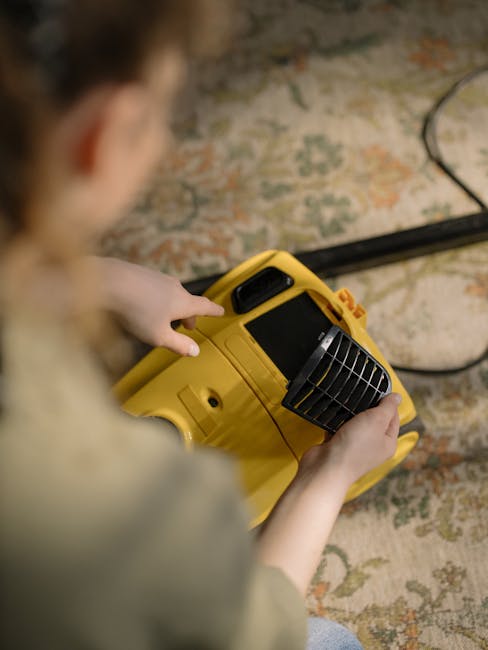
Tools, resources and recommendations
If you are leaning toward DIY, the most useful tools are the ones that reduce risk rather than just make the job look easier.
- a reliable vacuum with strong suction
- a carpet machine with decent extraction
- a mild pre-spray or stain treatment suitable for your fibre type
- clean microfibre cloths
- fans or good ventilation for drying
- protective gloves and old towels for edge work
If you are leaning toward a professional clean, ask for a written quote that separates standard cleaning from extras. That can make a huge difference to the final bill. The company's own pricing and quotes page is a sensible place to understand how estimates are handled.
For readers who want a broader sense of the company behind the service, the about us page and the structure and standards page offer useful background on approach and professionalism. That can help if you care about consistency, not just a one-off clean.
Law, compliance, standards, and best practice
For most household carpet cleaning, there is no special legal drama to manage. Still, best practice matters. In the UK, you should expect clear pricing, honest descriptions of the work, and safe handling of cleaning products and equipment. For rented homes, it is also wise to check your tenancy terms before carrying out any aggressive cleaning method or hiring equipment that could damage floors.
If you are a landlord, letting agent, or property manager, the real issue is record-keeping and consistency. If a carpet is cleaned before handover, the method used and the condition before cleaning should be clear. That helps avoid disputes later. It also aligns with the practical side of compliance: being able to show you acted reasonably and transparently.
For cleaning products, sensible use is more important than chasing the strongest formula. Follow product instructions, ventilate properly, and do not mix chemicals. That last one sounds obvious, but mistakes happen more often than people admit. A little caution goes a long way.
Where company policies matter, it is reasonable to look at pages such as health and safety policy, payment and security, privacy policy, and terms and conditions. They do not clean carpets, obviously, but they do help you judge whether a business is organised and transparent.
Options, methods, or comparison table
Here is the practical comparison most readers actually want: what do you gain, what do you risk, and where does each method make sense?
| Factor | DIY carpet cleaning | Professional carpet cleaning in Islington |
|---|---|---|
| Upfront cost | Usually lower at first glance | Usually higher upfront, but more predictable |
| Time required | More of your own time | Less disruption for you |
| Equipment quality | Limited by rental or consumer gear | Designed for stronger extraction and control |
| Finish quality | Good for light refreshes, mixed for deep cleaning | Typically better for deep soil and stains |
| Drying time | Can be longer if over-wet | Often shorter, depending on method and carpet type |
| Risk of mistakes | Higher if you are inexperienced | Lower, though not zero |
| Best for | Small, light-use rooms and quick maintenance | Heavily used carpets, end-of-tenancy jobs, deeper cleaning |
The simple takeaway? If the carpet is lightly soiled and you have the time, DIY can be fair value. If the carpet matters to the room's appearance, or if the work has to be right first time, professional cleaning often delivers better overall value.
Case study or real-world example
Picture a typical Islington flat: one living room, one hallway, and a bedroom carpet that has taken years of normal life. Shoes by the door, a bit of traffic from the kitchen, one coffee mark, and that dull, slightly tired look that creeps in slowly. Nothing dramatic. Just lived-in.
The DIY route might look like this: hire a machine, buy solution and stain treatment, spend the afternoon moving furniture, clean in sections, wait overnight for the carpet to dry, then realise one patch is still a shade darker. You saved money upfront, yes, but you also spent the better part of the day on it.
The professional route is different. The clean is more targeted, the carpet is treated more evenly, and the drying is usually more controlled. The final cost is higher on paper, but the result tends to be more consistent. For a tenant getting ready for inspection, that consistency can be worth a lot. For a homeowner trying to make a room feel fresh again, same story.
It is not about luxury. It is about avoiding false economy. A cheap clean that does not fully work is just a half-price problem.
Practical checklist
Use this before you decide.
- Have I looked at the carpet type and condition?
- Do I know the total room and hallway area to be cleaned?
- Have I included machine hire or product costs in the DIY figure?
- Have I counted my own time and drying delay?
- Is there a stain, smell, or heavy traffic area that needs deeper treatment?
- Would a poor result cause a real problem, such as a tenancy issue or a bad first impression?
- Have I checked what a professional quote includes?
- Do I know whether the job needs eco-friendly or low-residue products?
- Have I read any company policy pages that help me feel confident in the provider?
- Am I choosing DIY because it is suitable, or just because it feels cheaper?
If you can answer those honestly, the right choice usually becomes much clearer. Not always instant, but clearer.
Conclusion
When you compare the Real cost of carpet cleaning in Islington compared to DIY, the headline number rarely tells the full story. DIY can be economical for light jobs, small areas, and people who do not mind the time and effort involved. But once you factor in machine hire, products, drying delays, risk of mistakes, and the chance of needing to redo the work, professional cleaning often becomes better value than it first appears.
In a busy area like Islington, where homes are lived in hard and time feels short, the best choice is usually the one that gives you the clean you actually want without turning your weekend into a damp carpet experiment. If you want a result that looks finished, feels fresh, and holds up, professional cleaning is often the calmer, smarter route. If you just need a light refresh and you are happy to do the legwork, DIY can still make sense.
Get a free quote today and see how much you can save.
And if you are still on the fence, that is normal. A good decision here is not about being perfect; it is about choosing the option that leaves your home feeling genuinely better when the kettle goes on and the room finally settles back into itself.


