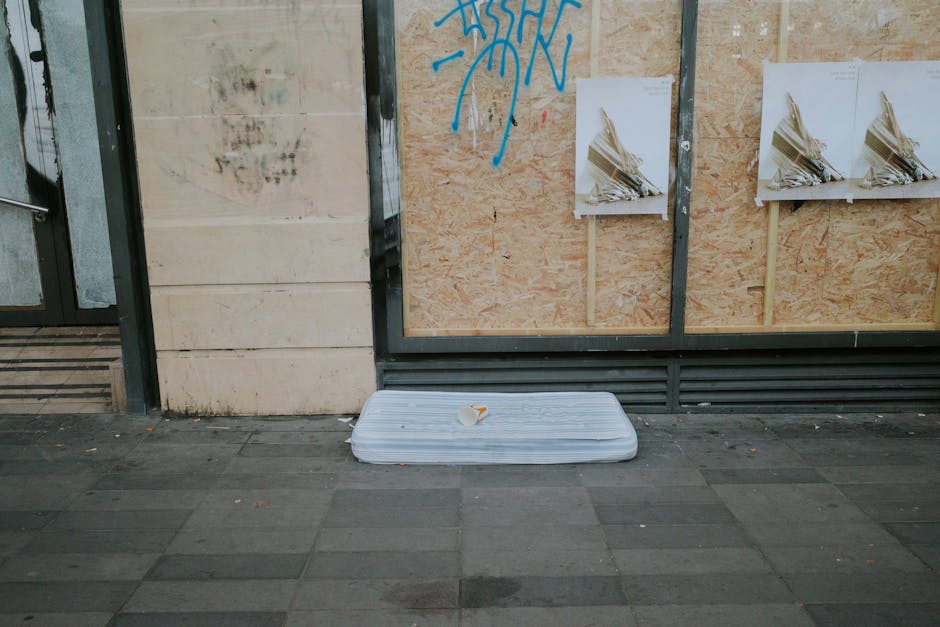
Islington Council rules for mattress disposal after cleaning: what to do with a cleaned mattress in Islington
If you have just cleaned a mattress and are now wondering what to do with it, you are not alone. The question sounds simple, but in practice it can get messy fast: a mattress may be clean enough to reuse, clean enough to donate, or still only fit for disposal. Understanding Islington Council rules for mattress disposal after cleaning helps you choose the right route, avoid fly-tipping mistakes, and keep things straightforward if you are moving out, refurbishing a rental, or clearing a spare room.
Truth be told, mattress disposal is one of those jobs people leave until the last minute. Then suddenly it is Monday morning, the hallway is blocked, and you are trying to work out whether the council will collect it, whether it needs wrapping, or whether cleaning changes anything at all. This guide breaks the process down in plain English, with practical steps you can actually use.
For readers dealing with a wider move-out or household clear-up, you may also find it useful to look at end of tenancy cleaning in N1 and the broader services overview for context on how cleaning and disposal tasks often overlap in real life.
Table of Contents
- Why Islington Council rules for mattress disposal after cleaning matters
- How the process works in practice
- Key benefits and practical advantages
- Who this is for and when it makes sense
- Step-by-step guidance
- Expert tips for better results
- Common mistakes to avoid
- Tools, resources and recommendations
- Law, compliance, standards and best practice
- Options and comparison table
- Case study or real-world example
- Practical checklist
- Conclusion
- Frequently asked questions
Why Islington Council rules for mattress disposal after cleaning Matters
A cleaned mattress is not automatically a mattress you can leave anywhere or treat like ordinary household rubbish. That is the key point. Once a mattress is no longer wanted, you need to think about disposal method, collection rules, and environmental responsibility, not just whether it looks tidy after cleaning.
Why does this matter so much? For one thing, mattresses are bulky. They are awkward to carry, awkward to store, and awkward to transport without the right vehicle. Then there is the practical side: a freshly cleaned mattress may still contain dust, odours, sweat residue, stain treatments, or allergen particles. Cleaning improves hygiene, but it does not change the fact that a mattress is a large item that needs proper handling.
In a busy area like Islington, where stairwells can be narrow and shared entrances are common, the difference between a sensible disposal plan and a rushed one is huge. A mattress left in a communal corridor for too long can cause complaints, block access, and create a bad day for everyone. Let's face it, nobody wants to be "that neighbour" with the mattress in the hall.
The other reason it matters is that people often confuse cleaning with condition. A mattress can be professionally cleaned and still be unsuitable for reuse if it has structural damage, mould, pest issues, or persistent smells. On the other hand, a clean, good-quality mattress may be better donated or passed on than thrown away. That decision affects cost, convenience, and waste.
If you are preparing a property for new occupants, this topic often sits alongside deep cleaning, upholstery care, and final checks. A helpful local read for related moving and property context is the Canonbury end-of-tenancy cleaning guide, especially if you are juggling furniture, cleaning deadlines, and handover pressure.
How Islington Council rules for mattress disposal after cleaning Works
The basic idea is straightforward: once a mattress has been cleaned, you decide whether it is still fit for use, fit for reuse, or destined for disposal. The council side of things usually comes down to how bulky waste is accepted, whether a collection is available, and what condition the item must be in for collection or drop-off.
Cleaning does not usually create a special category for the mattress. In other words, a mattress is still a mattress. The cleaning simply improves its condition. If it is being disposed of, it should be handled as bulky waste or through an approved disposal route rather than dumped with general rubbish bags.
In practical terms, you usually have a few paths:
- Reuse if the mattress is still structurally sound and hygienic enough.
- Donation or resale if it is clean, good quality, and meets hygiene expectations.
- Council bulky waste collection if you need a lawful local disposal route.
- Private removal if you want a quicker, more flexible option.
Where people go wrong is assuming that a shampooed or steam-cleaned mattress can simply be left by the bin area. It cannot. Even a clean item still counts as bulky household waste, and the same common-sense rules apply: no blocking pavements, no leaving items where they can be blown about or accessed by pests, and no dumping outside collection windows.
If you are comparing service options because the mattress disposal is part of a broader cleaning job, it can help to look at the local service pages for domestic cleaning in N1 and upholstery cleaning in N1. That gives you a sense of how a house clear-up often involves more than one task.
Key Benefits and Practical Advantages
Following the right process may not sound thrilling, but it saves time, stress, and sometimes real money. More importantly, it keeps the clean-up tidy from start to finish. A mattress that has been cleaned and then handled properly is less likely to create odour problems, access issues, or complaints from neighbours or landlords.
Here are the main practical advantages:
- Cleaner handover: useful when leaving a rented property or preparing a room for re-use.
- Less waste: if the mattress can be reused or donated, that is often the best outcome.
- Lower risk of contamination: a cleaned item is easier to assess honestly.
- Better planning: you know whether to book collection, arrange transport, or keep it.
- Reduced hassle: no last-minute panic about what to do with a bulky item.
There is also a social benefit that people overlook. A mattress handled properly is less likely to end up fly-tipped. That matters in London, where a single abandoned item can make a street corner look scruffy very quickly. Small thing? Maybe. But small things add up in a shared neighbourhood.
For landlords and tenants, the advantage is even clearer. A properly cleaned and removed mattress can help avoid disputes about property condition at check-out. If the mattress is being left behind on purpose, it should be agreed in writing. That part really matters.
Who This Is For and When It Makes Sense
This is not just a tenant problem or a landlord problem. It affects anyone dealing with a mattress that has been cleaned and now needs a decision. The most common situations are surprisingly ordinary:
- Tenants moving out of a flat and replacing an old bed.
- Landlords clearing a furnished rental between occupiers.
- Homeowners refreshing a guest room.
- Families dealing with a mattress that has been deep cleaned but is no longer usable.
- Property managers coordinating a quick turnaround.
- People trying to recover a bedroom after a spill, leak, or bed bug treatment.
Sometimes the mattress is cleaned as part of a bigger reset after a long winter of being unused. You pull back the curtains, open the window, and that familiar slightly stale smell disappears after a proper clean. Nice. But if the mattress is still sagging, stained, or damaged, the question becomes disposal rather than reuse.
This is also relevant in Islington's property market, where turnover can be quick and practical decisions matter. If you are navigating changes in a rental or planning a move, a little local context from Islington housing market transactions and what locals say about living in Islington can help frame the realities of moving, storage, and property handover.
Step-by-Step Guidance
If you want the simplest possible way to handle a cleaned mattress in Islington, use this sequence. It keeps the decision process sensible and avoids unnecessary double handling.
- Check the condition carefully.
After cleaning, inspect the mattress in daylight if possible. Look for sagging, broken springs, tears, mould patches, pest evidence, or lingering odours. A mattress can look better and still be a poor candidate for reuse. - Decide whether reuse is realistic.
If the mattress is clean, supportive, and structurally sound, it may be reusable. If it is clean but worn out, disposal is the better option. Be honest here. People often keep things a bit too long. - Choose the correct disposal route.
For a bulky item, that usually means a council route, a private removal option, or a reuse channel if appropriate. Do not leave it by the street unless collection has been arranged and you are following the exact instructions for placement and timing. - Prepare the mattress for collection.
Keep it as dry and manageable as possible. If there is any packaging requirement, use it. If not, at least make sure it is easy for handlers to move safely. Avoid stuffing it with extra waste or dismantled furniture. That is where collections get messy. - Move it only when needed.
Store it inside if you can, preferably flat and protected from damp. If it has to wait outside, keep it within the allowed time window and in the agreed location. A wet mattress is a different story and usually a sad one. - Confirm the job is finished.
After collection or removal, check the area. Clean the floor, remove dust, and make sure the route out of the property is clear. In a flat share or managed building, this is the bit people forget.
Here is the short version: clean it, assess it, decide its future, and then dispose of it through a proper route. Not glamorous, but effective.
Expert Tips for Better Results
One thing we see again and again is that people wait until after the cleaning to think about disposal. That is backwards. Plan the end point first, even if only loosely. If the mattress is likely to leave the property, figure out how it will get out before you start deep cleaning the room.
A few field-tested tips make a genuine difference:
- Measure doorways and stair turns first. An old mattress that fits the bedroom may still be a nightmare through the landing.
- Keep proof of condition if needed. A quick photo before and after cleaning can be useful if you are a tenant or managing a handover.
- Use cleaning as a decision point. Once the mattress is clean, assess it immediately while the room is still organised.
- Watch for damp. Steam cleaning or heavy spot cleaning can leave a mattress damp for longer than people expect. Drying matters.
- Do not overdo deodorising. Heavy fragrance can mask problems instead of solving them. If it still smells wrong after proper drying, trust that instinct.
One small but useful habit: keep a spare duvet bag or mattress cover if you are moving a mattress through the building. It sounds almost too simple, but it saves the lift, the car, and your corridor from a dust trail. Nice and tidy.
If you are building a fuller cleaning plan around this, the company's eco-friendly cleaning approach and insurance and safety information may also help you think through safe handling and responsible methods.
Common Mistakes to Avoid
Most mistakes are avoidable, and a few are painfully common. They usually happen because people are tired, rushing, or trying to be "helpful" in ways that create more work.
- Assuming cleaning equals disposal permission. A clean mattress is still a bulky item.
- Leaving it in a communal area too early. That can cause obstruction or complaints.
- Forgetting about drying time. A mattress that is not fully dry can smell worse later.
- Trying to cut corners by dumping it with normal rubbish. That usually backfires and can lead to messy consequences.
- Not checking if reuse is realistic first. Sometimes the mattress is fine; sometimes it really, really isn't.
- Ignoring local building rules. Some blocks have their own collection procedures, access times, or storage limits.
There is also a subtle mistake: people sometimes focus on making the mattress look acceptable rather than deciding whether it is actually worth keeping. A good clean can rescue a decent mattress. It cannot rescue a worn-out one. Different job entirely.
Tools, Resources and Recommendations
You do not need specialist equipment for every mattress disposal job, but a few basics make life easier. The goal is simply to avoid heavy lifting surprises and keep the process hygienic.
| Tool or resource | What it helps with | Why it matters |
|---|---|---|
| Protective gloves | Handling the mattress safely | Useful if the mattress is dusty, damp, or being moved through shared spaces |
| Mattress cover or wrap | Keeping the item clean and contained | Helps during transport and reduces mess in hallways or vehicles |
| Measuring tape | Checking exit routes | Prevents awkward delays at the front door or staircase |
| Cleaning cloths and mild detergent | Final wipe-down of surrounding areas | Useful after removal, especially if the mattress stored dust or residue |
| Clear plan for collection | Timing and placement | Stops missed collections and unnecessary storage problems |
For anyone coordinating a bigger home or office clear-out, the pages on house cleaning and office cleaning can be useful background if you are dealing with multiple rooms or a move-out schedule. If you are researching the company itself before booking related work, the about us page and structure and tradition of excellence page give a better sense of standards and approach.
Law, Compliance, Standards, and Best Practice
For a topic like this, the safest approach is to distinguish between legal duty, council process, and best practice. They are related, but not identical.
In the UK, household waste should be disposed of responsibly, and bulky items like mattresses should not be fly-tipped or abandoned in a way that creates nuisance or obstruction. Local councils may provide bulky waste collection or guidance on how residents should present items. The exact operational rules can change, so it is always sensible to check the current local guidance before you arrange disposal.
Best practice in this context usually means:
- keeping the mattress clean and dry before collection if possible;
- separating reusable items from genuinely waste items;
- avoiding public obstruction, especially in flats and narrow streets;
- using lawful disposal routes rather than informal dumping;
- cooperating with landlord or building management requirements where relevant.
There is also a practical compliance angle for landlords and managing agents. If a mattress is part of a tenancy changeover, it should be clear who is responsible for removal, who is paying, and whether the item remains the property of the outgoing tenant or the landlord. That may sound dry, but these are the details that stop disputes later.
As a general rule, if you are unsure whether a cleaned mattress should be reused, donated, or disposed of, err on the side of caution. Safe, lawful handling beats improvisation every time.
Options, Methods, or Comparison Table
Here is a simple comparison of the main routes people consider once a mattress has been cleaned. There is no perfect answer for every case, which is why comparing the options properly helps.
| Option | Best for | Pros | Trade-offs |
|---|---|---|---|
| Keep and reuse | Good-quality mattresses after a proper clean | Lowest waste, no disposal cost, immediate convenience | Only sensible if the mattress is still supportive and hygienic |
| Donate or resell | Clean, undamaged mattresses in good condition | Extends product life, supports reuse, reduces landfill pressure | May require a standard of cleanliness and condition many mattresses cannot meet |
| Council or bulky collection | Most disposable mattresses | Clear lawful route, useful for residents without transport | May involve scheduling, presentation rules, and possible fees |
| Private removal service | Urgent or awkward jobs | Flexible timing, quick removal, helpful for stairs or multiple items | Often costs more than a basic council route |
To be fair, the right option is often the one that fits the actual condition of the mattress and the timing you are working with. A spotless mattress in a guest room is one thing. A mattress that has seen better decades is another altogether.
Case Study or Real-World Example
Here is a realistic example from the kind of situation people deal with all the time in Islington.
A tenant in a third-floor flat cleans a double mattress after discovering a spill and some lingering odour. The clean improves it a lot, but once the bed is stripped and the mattress is standing upright in daylight, the problem becomes clear: the springs are tired, the side edge sags, and the owner already planned to replace it before moving out. Rather than trying to squeeze another year out of it, the tenant and landlord agree it should be removed properly before check-out.
What worked well was simple:
- the mattress was inspected immediately after drying;
- the hallway and doorway were measured before collection day;
- the tenant arranged the disposal route in advance;
- the mattress was kept indoors until it was ready to move;
- the room was then fully cleaned once the bulky item was gone.
The useful lesson here is that cleaning helped the decision-making, but it did not decide the outcome on its own. The mattress was clean, yes. But it was still worn out. That is exactly the kind of judgement call this topic is about.
And honestly, these are the jobs that go much smoother when they are treated as part of a bigger home-care plan rather than a last-minute scramble. A bit of calm planning saves a lot of Sunday stress.
Practical Checklist
Use this checklist before you dispose of a mattress after cleaning. It is short, but it catches the things people forget when they are in a rush.
- Is the mattress fully dry?
- Is it structurally sound enough to reuse?
- Has the source of smell, stain, or contamination been dealt with?
- Have you checked for mould, pests, or hidden damage?
- Do you know whether reuse, donation, or disposal is the right choice?
- Have you confirmed the correct local disposal method?
- Do you have a clear collection time or transport plan?
- Will the mattress fit safely through the exit route?
- Have you avoided leaving it in a communal space too early?
- Have you cleaned the surrounding area after removal?
If every box above is checked, you are in good shape. If not, pause and sort the weak point first. That is the difference between a tidy disposal and a messy one.
Conclusion
Islington Council rules for mattress disposal after cleaning are best understood as a simple principle with a few practical layers: clean the mattress properly, assess its condition honestly, and use a lawful disposal or reuse route that fits the item and the situation. Cleaning is useful, but it does not replace proper disposal planning.
The smartest approach is to think one step ahead. Ask yourself: is this mattress still worth keeping, or has cleaning just made it easier to handle? If you decide to dispose of it, do so in a way that is tidy, legal, and considerate to the people sharing the building and the street.
For anyone dealing with a move, a tenancy change, or a room refresh, a little organisation goes a long way. And once the mattress is gone and the room feels open again, the whole place tends to breathe a bit easier. Quietly satisfying, really.
Get a free quote today and see how much you can save.
Frequently Asked Questions
Does cleaning a mattress change the council disposal rules?
Usually, no. Cleaning improves the mattress condition, but it does not turn it into ordinary rubbish or remove the need for a proper bulky waste route. You still need to dispose of it responsibly.
Can I leave a cleaned mattress next to the bins in Islington?
Not unless you have arranged a collection and are following the correct presentation instructions. Leaving a mattress beside bins too early or without permission can create obstruction and nuisance.
What if the mattress is clean but still in good condition?
If it is clean, supportive, and safe, reuse or donation may be better than disposal. A mattress should only be thrown away when it is no longer suitable for use or transfer.
How do I know if a mattress is worth donating after cleaning?
Check whether it is hygienic, dry, undamaged, and structurally sound. If it still has sagging, mould, strong odour, or pest concerns, donation is usually not appropriate.
Do I need to wrap a mattress before disposal?
Sometimes, but not always. It depends on the collection method and the handling instructions you are following. A cover can help keep it clean and make transport easier, especially in flats.
What happens if I put a mattress out too early?
It may cause an obstruction, attract complaints, or risk being moved or damaged before collection. In shared buildings, timing matters more than people often think.
Can a mattress be collected if it was recently steam-cleaned?
Yes, but it should be properly dry first. A damp mattress can be awkward to handle and may develop odour or mould problems if left sealed or stored badly.
What should landlords do with a cleaned but unwanted mattress?
Landlords should decide whether it will remain as part of the furnished property, be replaced, or be removed through a proper disposal route. Clear agreement and documentation help avoid disputes.
Is it cheaper to use council collection or a private removal service?
That depends on timing, access, and whether you are removing one item or several. Council collection is often the lower-cost route, while private removal may be more convenient for urgent or awkward jobs.
What if the mattress has mould or pest damage even after cleaning?
If there is mould, infestation evidence, or deep contamination, disposal is usually the sensible route. Cleaning can improve the surface, but it cannot always make the item safe or suitable again.
Should I keep the mattress indoors until collection day?
Yes, if possible. Keeping it indoors protects it from rain, dirt, and accidental obstruction. It also helps avoid complaints in shared hallways or outside entrances.
Where does mattress disposal fit into a wider end-of-tenancy clean?
It is usually part of the final reset: remove bulky waste, clean the room, inspect the mattress and bed frame, and leave the space ready for handover. For a fuller local overview, discovering Islington gives a nice sense of the area's mix of homes, while the property investment guide is helpful if you are thinking about turnover and long-term value.
What is the safest next step if I am still unsure?
Check the mattress condition carefully, confirm the local disposal route, and avoid leaving it in a communal or public space until you are clear on timing. A careful pause now saves a lot of hassle later.